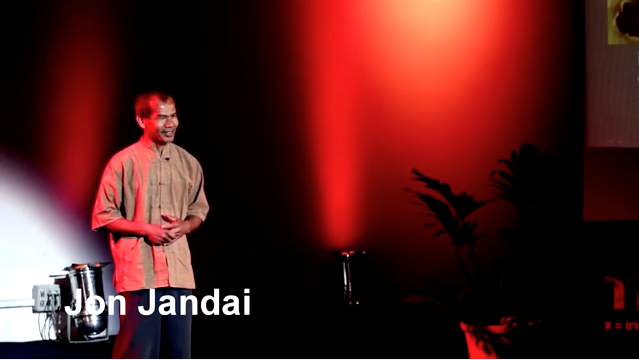
Jon is a farmer from northeastern Thailand. He founded the Pun Pun Center for Self-reliance, an organic farm outside Chiang Mai, with his wife Peggy Reents in 2003. Pun Pun doubles as a center for sustainable living and seed production, aiming to bring indigenous and rare seeds back into use. It regularly hosts training on simple techniques to live more sustainably. Outside of Pun Pun, Jon is a leader in bringing the natural building movement to Thailand, appearing as a spokesperson on dozens of publications and TV programs for the past 10 years.
Category: Mental Health
-
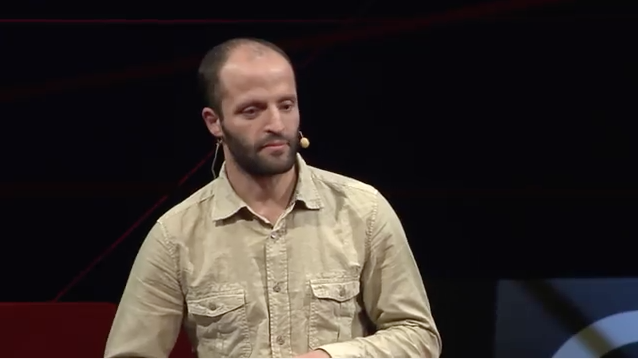
How to Become a Memory Master
Idriz is passionate about teaching others how to improve their memories and believes that with the right practice, almost everyone can get a super-memory.
-

Decoded: Science Explains If Money Can Actually Buy You Happiness
We often hear it, but how true is the phrase ‘Money can’t buy happiness’? Is there a correlation between the two, and if so, what can we learn from it? It turns out, if you think money and happiness are exclusive, you simply aren’t spending it right.
-
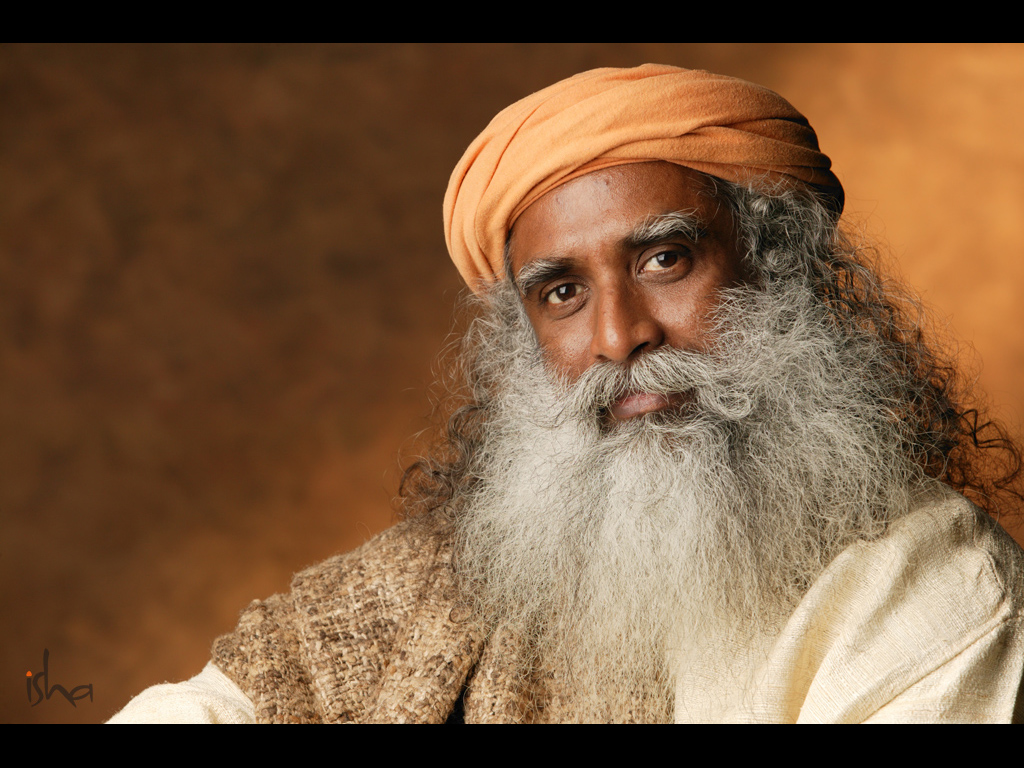
The Yogi Defines Depression
In this discourse “Insight Into Depression”, Sadhguru explains that in most cases of depression a person is simply generating intense thoughts and emotions that are working against them and that in many ways, 70% of all illnesses are self-created.
Yogi, mystic and visionary, Sadhguru is a spiritual master with a difference. An arresting blend of profundity and pragmatism, his life and work serves as a reminder that yoga is a contemporary science, vitally relevant to our times.
-

How Meditation Can Reshape The Brain
Neuroscientist Sara Lazar’s amazing brain scans show meditation can actually change the size of key regions of our brain, improving our memory and making us more empathetic, compassionate, and resilient under stress.
-

The Surprising Science Behind Why We Make Bad Decisions
Dan Gilbert presents research and data from his exploration of happiness — sharing some surprising tests and experiments that you can also try on yourself.
-
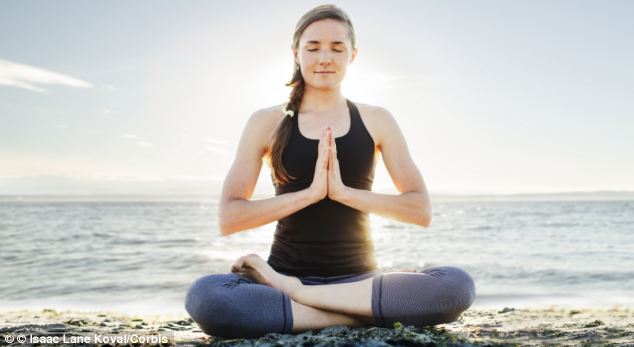
Stress Kills, Here’s How To Alleviate It
Lets face it, Americans are stressed. Most people aren’t working your typical 9-5, 40 hour weeks anymore. Our junk food habits, and stress are killing us. Literally. Stress is bad for your health and can lead to high blood pressure, depression, heart disease and hair loss among many other things. The key here is identifying your moments of stress, so that you can work on ways to live free of it. The activities below are proven, non medically invasive things you can do to alleviate stress.
Meditate
Meditation is the brains reset button. Think about this for one moment. Your brain is always working. It keeps you alive, regulates your breathing, helps you think and make choices every minute of the day, every second of the hour. Meditation is a break from all of that. It gives the mind a chance to relax, and when your mind is at ease, life situations aren’t so stressful anymore:
Benefits of Meditation:
- Gaining a new perspective on stressful situations
- Building skills to manage your stress
- Increasing self-awareness
- Focusing on the present
- Reducing negative emotions
Don’t know how to meditate? Not a problem. Have a look at the video below for instruction on how to do it successfully.
Exercise

Before you go off saying “No! exercise just isn’t for me,” just know that your body loves it. Exercise often is associated with pain because people often think it involves a fancy gym membership, and lots of hard work. This couldn’t be further from the truth. There are many different forms of exercise that require minimal impact, that you can do in the comfort of your own home.
According to Rick Richey, master instructor with the National Academy of Sports Medicine, walking just thirty minutes a day can reduce your risk of chronic illnesses like diabetes, stroke and heart attack. The body aboslutely loves physical exercise, and in this case specifically, exercise can help positively impact your emotional health by alleviating stress.
Benefits of Exercise
- It pumps up your endorphins. Physical activity helps bump up the production of your brain’s feel-good neurotransmitters, called endorphins. Although this function is often referred to as a runner’s high, a rousing game of tennis or a nature hike also can contribute to this same feeling.
- It’s meditation in motion. After a fast-paced game of racquetball or several laps in the pool, you’ll often find that you’ve forgotten the day’s irritations and concentrated only on your body’s movements.
- As you begin to regularly shed your daily tensions through movement and physical activity, you may find that this focus on a single task, and the resulting energy and optimism, can help you remain calm and clear in everything you do.
- It improves your mood. Regular exercise can increase self-confidence, it can relax you, and it can lower the symptoms associated with mild depression and anxiety. Exercise can also improve your sleep, which is often disrupted by stress, depression and anxiety. All of these exercise benefits can ease your stress levels and give you a sense of command over your body and your life.
Journaling (Learn to Be Grateful)

Sound a bit off? When you’re in a heated argument with your spouse, or loved one, the last thing you want to hear is “be grateful,” when your teeth are grinding and you have a clenched fist. However, taking the time to decompress, walk away, and write down the things you are grateful for, will almost immediately shift your focus from a stressful situation.
Go into a quite room and close the door. Write down ten things in your life you are grateful for. Don’t just write things down and let them be, but rather, expand on it by openly discussing why you are grateful for the things you wrote down.
Benefits of Writing
- Writing about anger, sadness and other emotions helps to release the intensity of these painful feelings. By doing so you will feel calmer and better able to stay in the present.
In conclusion, there are many other ways to alleviate stress. I highlighted activities proven by medicine that work most effectively. For some people, alleviating stress might mean driving along the countryside, and for others, playing video games.
The key here is to identify what triggers your stress levels, and then coming up with a plan to help relieve that stress. Failing to do so could compromise your health longer term. Considering how easy it is alleviate stress, implementing one of these strategies will keep you living stress free and spiritually prosperous for years to come.
-
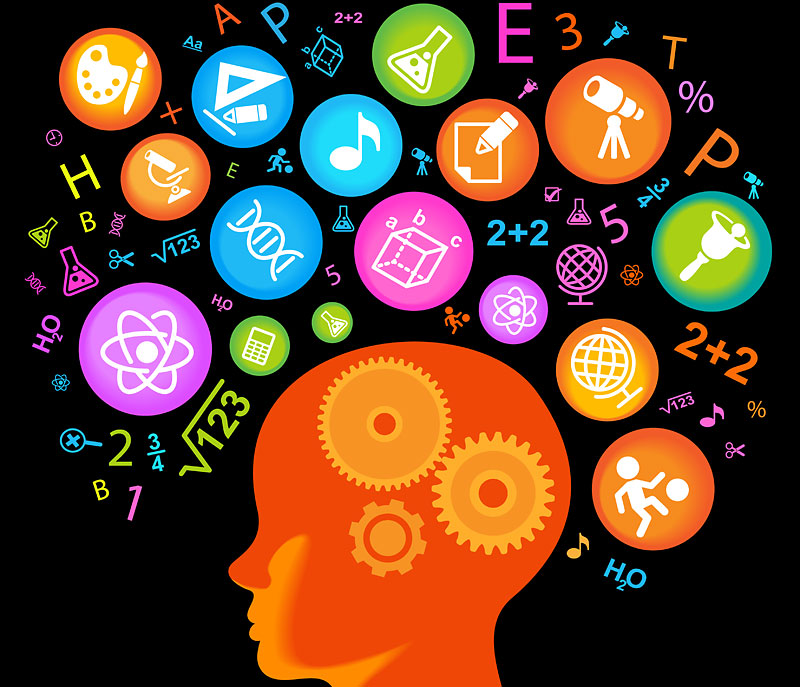
Can You Really Train Your Brain?
Brain training games claim to improve your memory, attention, and reasoning skills. Some even say they help prevent the onset of dementia. Problem is, they don’t really work. Have a look at the video below:
-
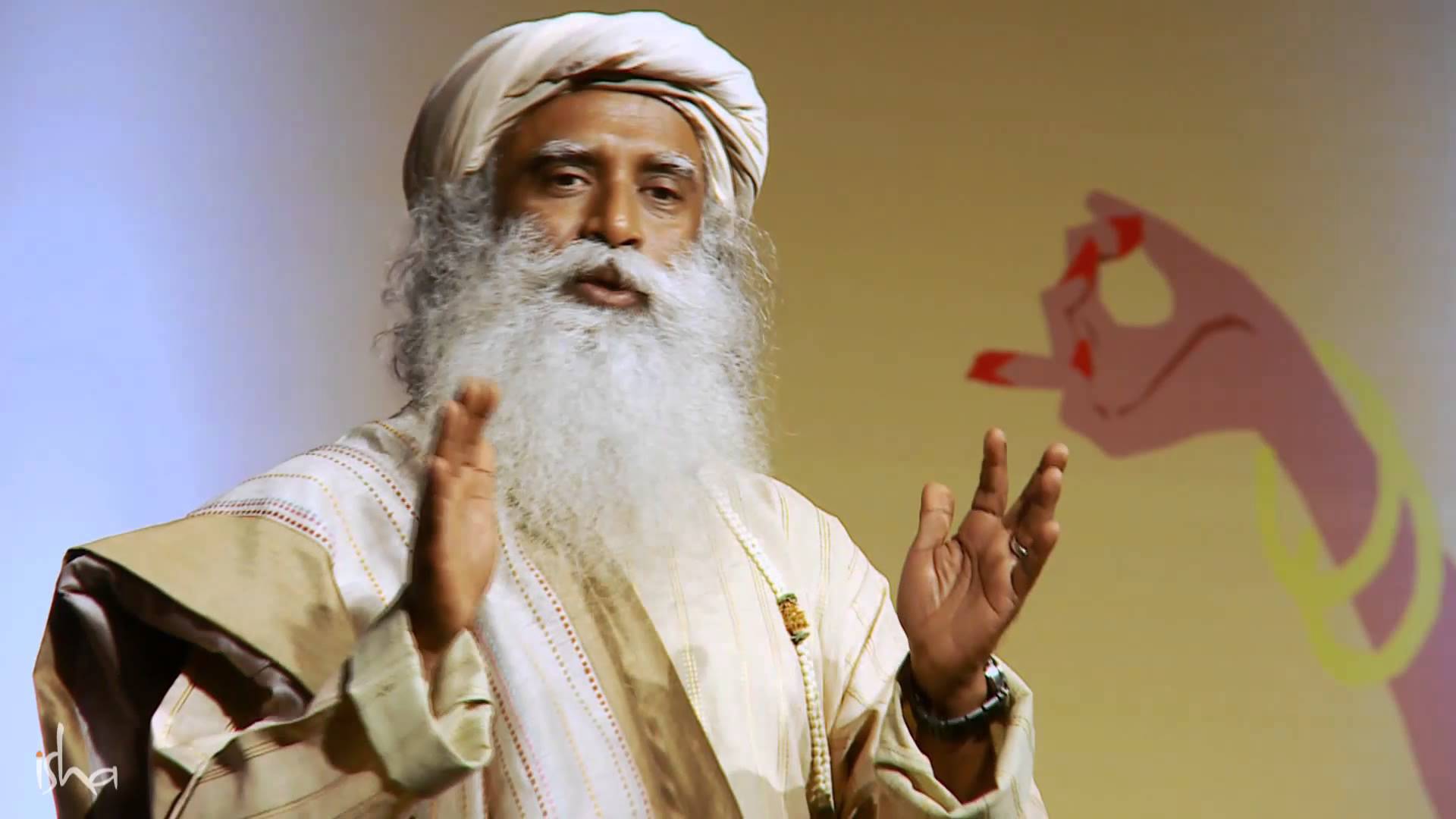
How Do We Stop the Minds Chatter?
Sadhguru answers a question on why the mind seems to have a mind of its own! He looks at how terms such as “no-mind” and “stop the mind” have been used over the years, and asks why one would want to stop the mind – the product of millions of years of evolution. The problem, he reminds us, is not the mind, but that the mind is “telling its own story.” He describes how the powerful kriya, Shambhavi Mahamudra, is one big step towards changing this.
Yogi, mystic and visionary, Sadhguru is a spiritual master with a difference. An arresting blend of profundity and pragmatism, his life and work serves as a reminder that yoga is a contemporary science, vitally relevant to our times.
-
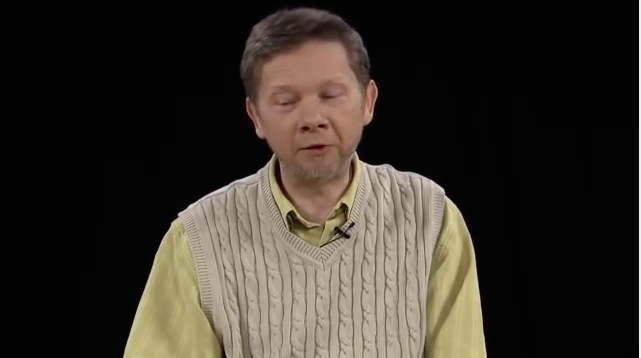
How To Break The Habit of Excessive Thinking
Eckhart explores the powerful addiction to thinking, offering a handful of ways to put a stop to thoughts and choose presence instead.