Category: Mental Health

  • Hacking Your Brain for Happiness

    Hacking Your Brain for Happiness


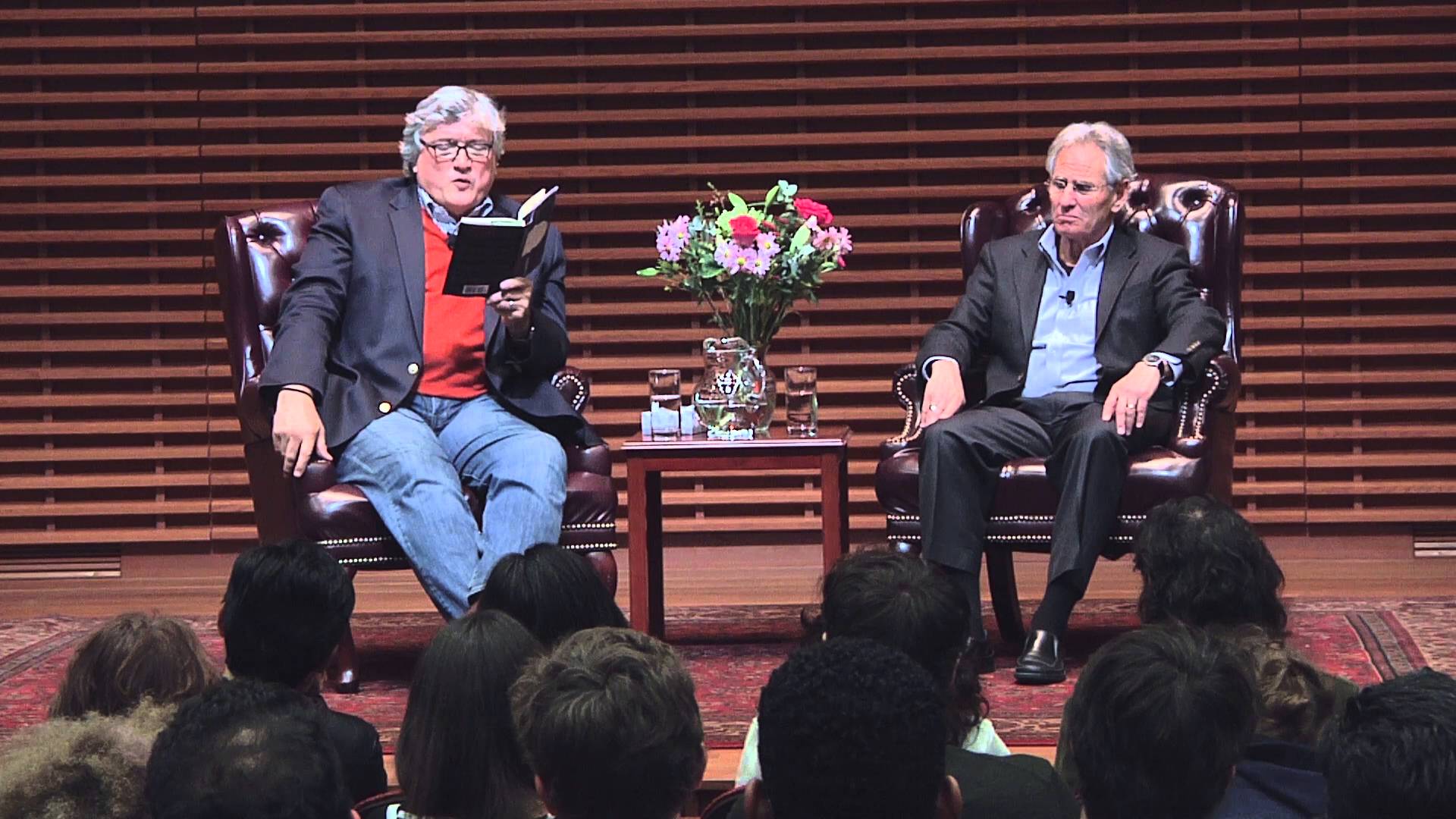
    Dr. James Doty explains the neurological benefits of Compassion. “Project Compassion” has now turned into a leading research and educational institution and the only institution solely focused on the study of Compassion, Altruism and Empathy.

    Compassion improves the world; yet the world around us seems ever in need of greater feats of compassion. How, then, can we create more compassion and inspire compassionate acts? And how is it that the brain and the heart work together to create compassion in the first place? James Robert Doty, M.D., tackles these tough questions, examining the neural, mental, and social bases of compassion. He serves as Professor of Neurosurgery at Stanford University School of Medicine and Founder and Director of Stanford University’s Center for Compassion and Altruism Research and Education (CCARE) – of which the Dalai Lama is the founding benefactor. He serves as Chairman of the Dalai Lama Foundation and as a member of the International Advisory Board of the Council of the Parliament of the World’s Religion. He has just release his first book, Into the Magic Shop: A Neurosurgeon’s Quest to Discover the Mysteries of the Brain and the Secrets of the Heart.

     

  • Surviving the Cult of Hard Work and Learning to Love Life

    Surviving the Cult of Hard Work and Learning to Love Life

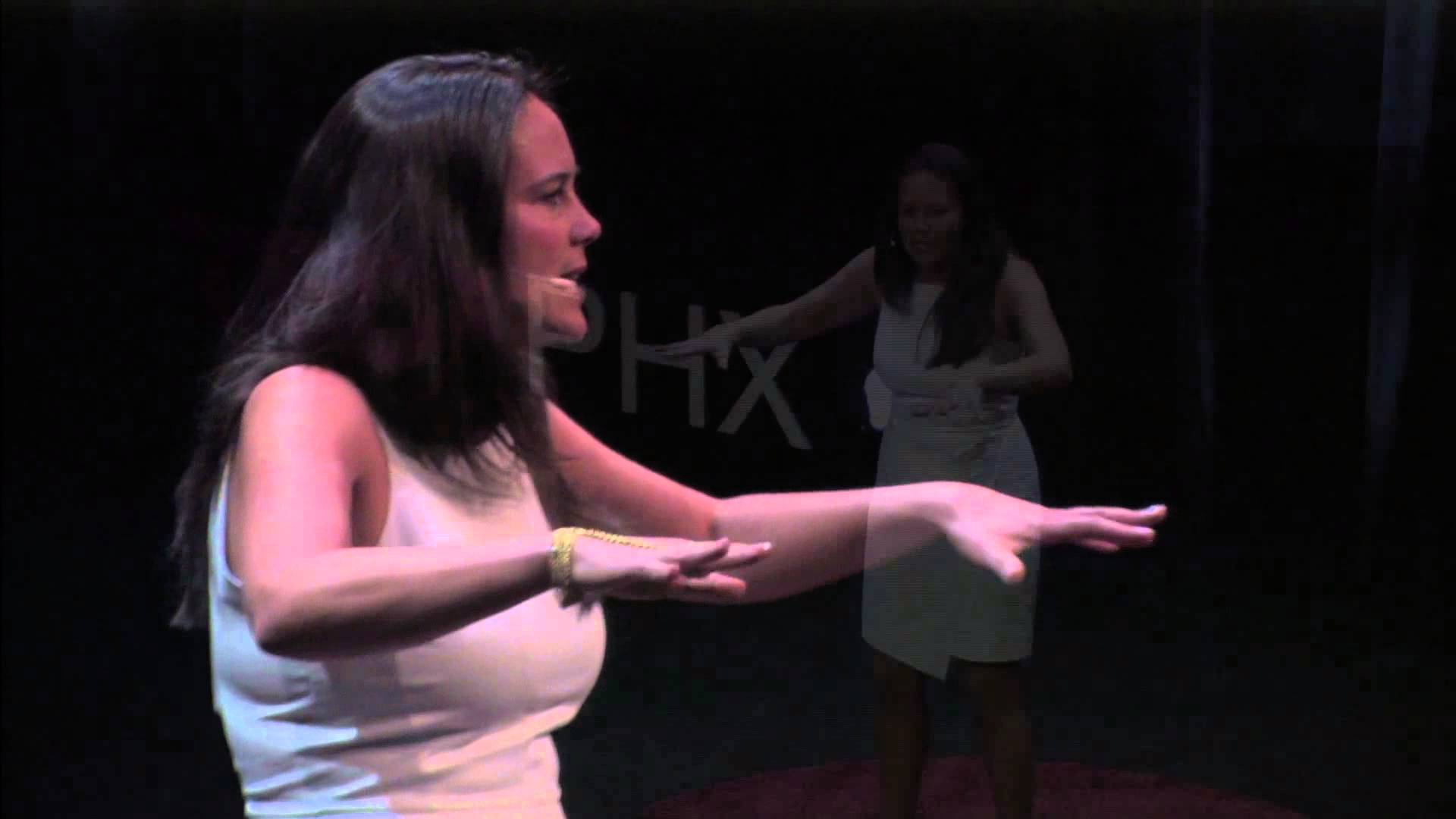
    Bristol’s search for connection led to a rapid rise in the film business and her mission to inspire people to engage more deeply with the world one film at a time. Somewhere along the way she confused her worth with work and found herself worshipping at the altar of hard work and external validation. Overwhelmed by a sense of disconnection, Bristol underwent what she calls a “soul-hijacking.”

  • How to Stay Calm When You Know You’ll Be Stressed

    How to Stay Calm When You Know You’ll Be Stressed

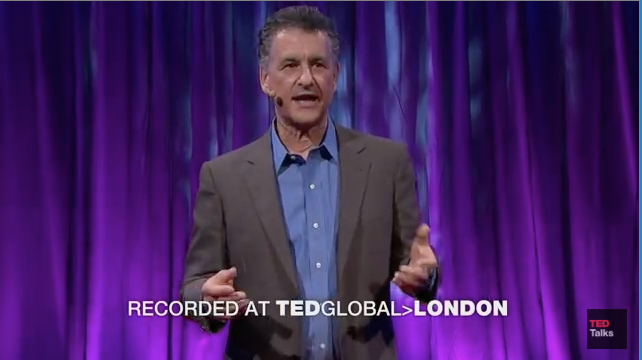
    You’re not at your best when you’re stressed. In fact, your brain has evolved over millennia to release cortisol in stressful situations, inhibiting rational, logical thinking but potentially helping you survive, say, being attacked by a lion. Neuroscientist Daniel Levitin thinks there’s a way to avoid making critical mistakes in stressful situations, when your thinking becomes clouded — the pre-mortem. “We all are going to fail now and then,” he says. “The idea is to think ahead to what those failures might be.”

  • The Secret To Becoming Mentally Strong

    The Secret To Becoming Mentally Strong

    veryone has the ability to build mental strength, but most people don’t know how.
    We spend a lot of time talking about physical strength and physical health, but much less time on mental strength and mental health.
    We can choose to perform exercises that will help us learn to regulate our thoughts, manage our emotions, and behave productively despite our circumstances – the 3 basic factors of mental strength. No matter what your goals are, building mental strength is the key to reaching your greatest potential.

    Amy Morin is a licensed clinical social worker and psychotherapist. Since 2002, she has been counseling children, teens, and adults. She also works as an adjunct psychology instructor.

    Amy’s expertise in mental strength has attracted international attention. Her bestselling book, 13 Things Mentally Strong People Don’t Do, is being translated into more than 20 languages.

    Amy’s advice has been featured by a number of media outlets, including: Time, Fast Company, Good Housekeeping, Business Insider, Elle, Cosmopolitan, Success, Glamour, Oprah.com, TheBlaze TV, and Fox News. She has also been a guest on dozens of radio shows.

  • The Importance of Focus

    The Importance of Focus

    How might focus help you succeed? Using examples of famous people from disparate fields, such as James Cameron, Quincy Jones, and Larry Page, Richard St. John suggests why focus is one of eight traits common in successful people.

  • The Mindset You Need To Succeed

    The Mindset You Need To Succeed

    Prof. Tim Noakes is a co-founder and executive director of the Sports Science Institute of SA. He is an author, respected academic and A1 rated scientist and has long been acknowledged as an expert in the field of sports and the science of physical exercise. Tim is a Director of UCT/MRC Research Unit for Exercise Science and Sports Medicine (ESSM). In this talk from TEDxCapeTownED, he lays out the importance of belief in exceptional achievement, and points to the role of the coach in fostering that belief. He leaves a challenge with educators to see their role as creating belief in their students.

  • Fear Isn’t Real It’s Imagined

    Fear Isn’t Real It’s Imagined

    Deri Llewellyn-Davies deals with the three big F words, to unravel why fear can feel so real, whilst being entirely irrational. Fear is implicit to courage, a supposed essential trait for success in business and life, but what is it really?

    This talk was delivered at Edinburgh’s iconic Central Hall on Thursday, February 18th 2016 and was a part of series of talks given at the TEDxUniversityofEdinburgh 2016 Conference.

  • What Makes a Good Life? Lessons from the Longest Study on Happiness

    What Makes a Good Life? Lessons from the Longest Study on Happiness

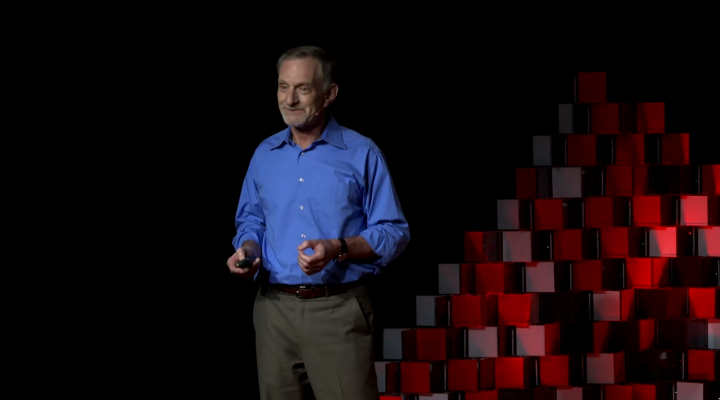
    What keeps us happy and healthy as we go through life? If you think it’s fame and money, you’re not alone  but, according to psychiatrist Robert Waldinger, you’re mistaken. As the director of 75-year-old study on adult development, Waldinger has unprecedented access to data on true happiness and satisfaction. In this talk, he shares three important lessons learned from the study as well as some practical, old-as-the-hills wisdom on how to build a fulfilling, long life.

  • How to Stay Calm When You Know You’ll Be Stressed

    How to Stay Calm When You Know You’ll Be Stressed

    You’re not at your best when you’re stressed. In fact, your brain has evolved over millennia to release cortisol in stressful situations, inhibiting rational, logical thinking but potentially helping you survive, say, being attacked by a lion. Neuroscientist Daniel Levitin thinks there’s a way to avoid making critical mistakes in stressful situations, when your thinking becomes clouded — the pre-mortem. “We all are going to fail now and then,” he says. “The idea is to think ahead to what those failures might be.”