Watch this video and learn how to extract awesomeness, by finding your true passions in life. If you dig deep enough you will find your inner awesomeness in the things you are passionate about.
Category: Mental Health
-
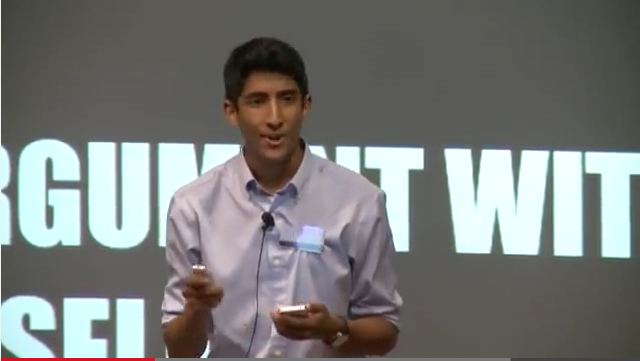
Why We Procrastinate
Procrastination is a horrible habit to get in. Ever wonder why we procrastinate? Have a look at this Ted Talk and then ask yourself this question: How do I stop?
-
Why Thinking You’re Ugly is Bad For You
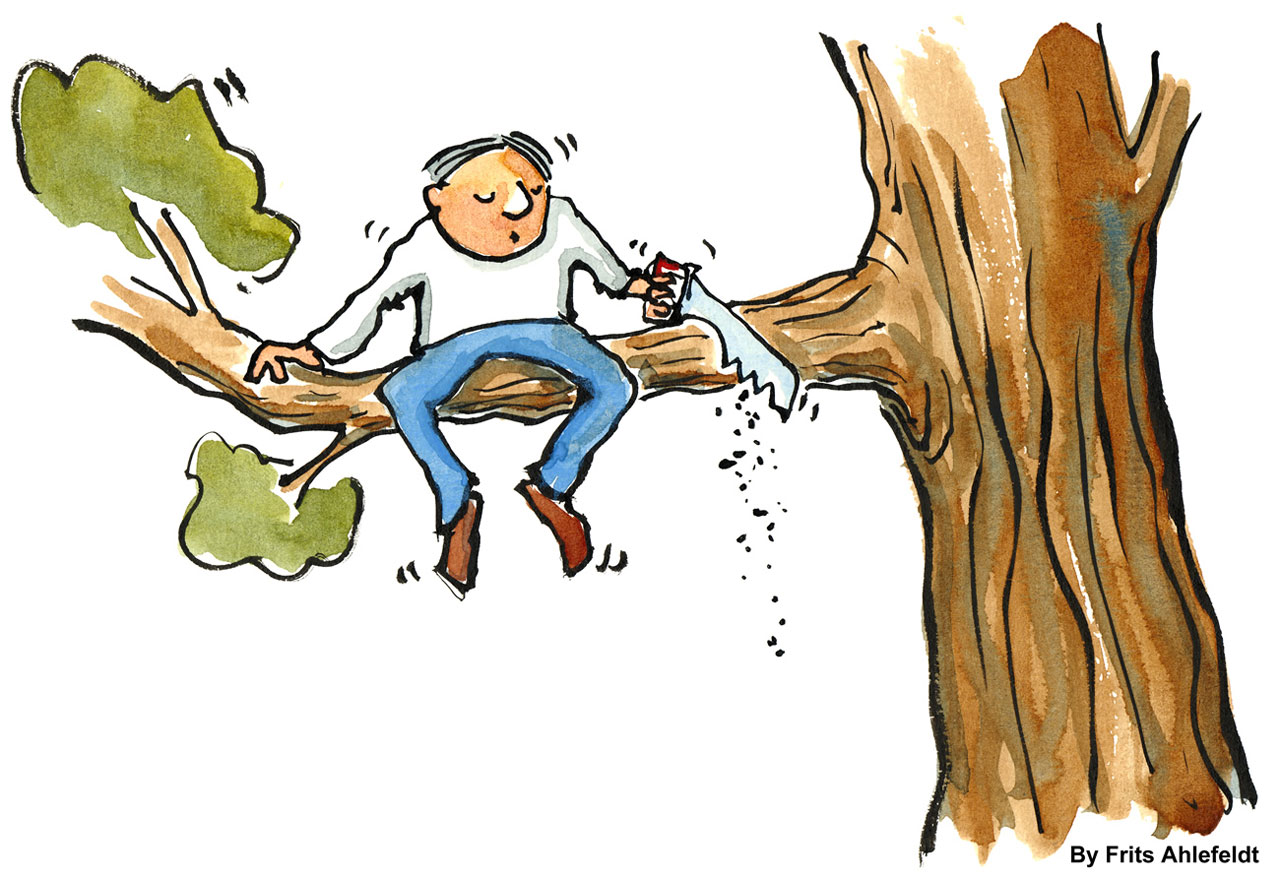
Self confidence we are not all born with. The more we develop as people, we learn through experience, and outcomes, that eventually build our overall self confidence. For others it’s different. Learn how self sabotage, and thinking you are ugly, is bad for you.
-

The Dangers of Hiding Who You Truly Are
There is nothing worse then not being true to yourself. Learn how to not hide from who you truly are to live the best life possible.
-
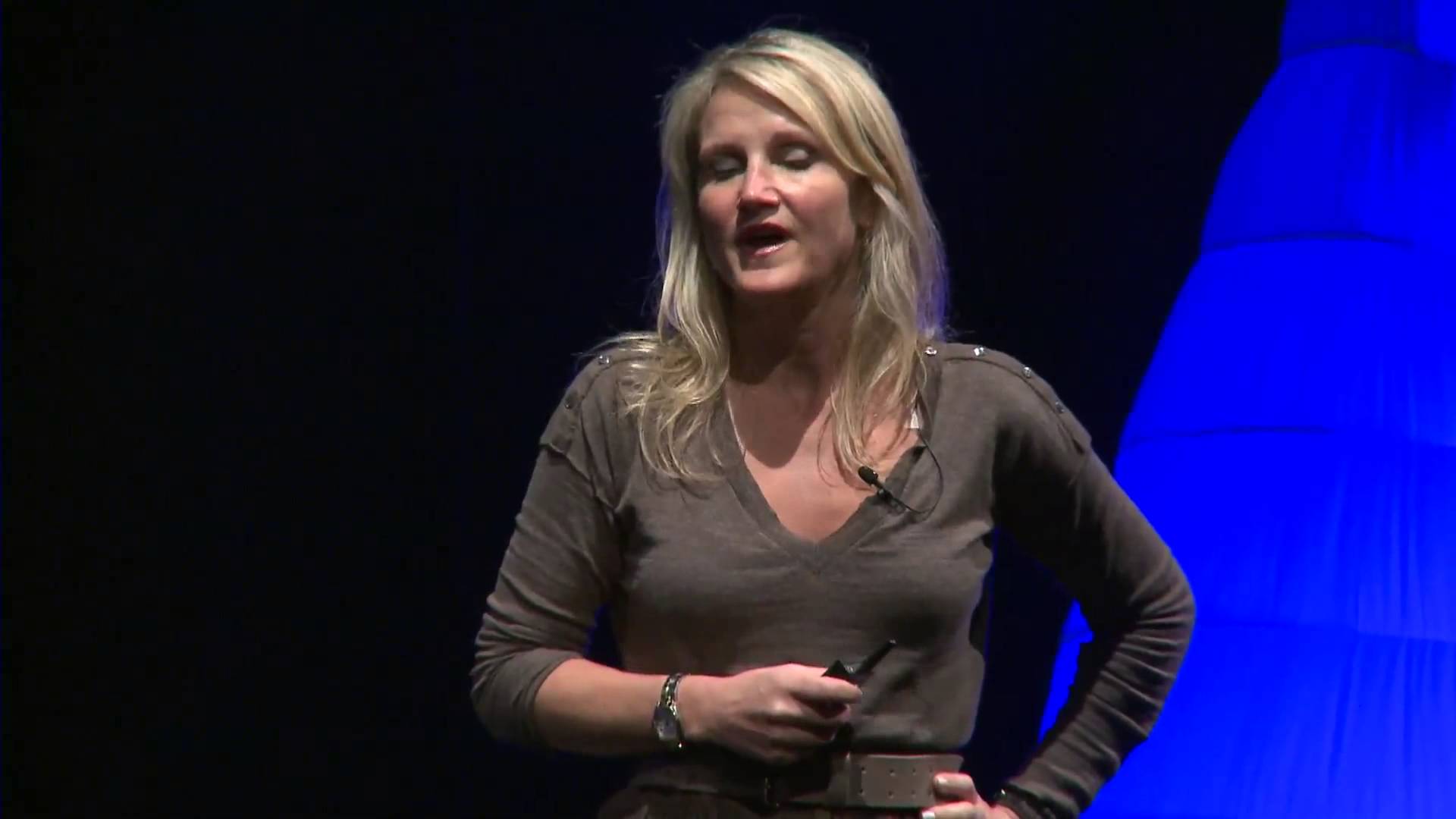
How to Stop Screwing Yourself Over
Lets face it, a lot of us have a strong desire to lift our selves out of mediocrity, but lack the courage to make changes. In this video, Mel Robbins teaches us how to stop screwing ourselves over, and start living for what we truly want in life.
-

The Happy Secret To Better Work
Watch this video and learn the happy secret to better work. Do you agree with this authors presentation?
-

3 Things You Can Do To Overcome Sadness
Out of suffering have emerged the strongest souls; the most massive characters are seared with scars.” ~ Khalil Gibran
I was talking to a dear friend of mine recently and he was asking me who is the person I admire the most and why. The interesting thing I realized while giving him the answer was that the person I deeply admire is somebody who experienced a great deal of pain during his lifetime and what made me admire him so much was his attitude and how he always come out as a better not a bitter person from all of these challenges.
How many of us are really capable of dealing gracefully with pain, stress, anxiety, and many other negative emotions? What I want you to achieve is grace under pressure and even though it may seem like an impossible task to do, it really isn’t. There are so many other tips to share on the subject but today I will share these three things, and if you do them, believe me, your life will get better and better and you will manage to deal with life’s challenges a lot more effective and in a more graceful manner.
Just know that “the world is full of suffering. It is also full of overcoming.”~ Helen Keller
Whether it’s you who is sad and blue or somebody you love and care about, acknowledging and acting upon these 3 things will help you feel a lot better.
1. Let go of the pain, this too shall pass
Things, people, events, they just come and go, nothing really lasts forever and the same with your not so happy feelings. What I usually do when I feel like my world is coming to an end, and yes, that happens to me too, it to think of a time when I was down, a time when I felt really sad and blue, a time when I felt like the whole world would come to an end, and I had no way to escape, and I use that as proof that what my mind is telling me is not always true.
It is so important to work on making your mind work for you and not against you, because you see, in order for you: “to enjoy good health, to bring true happiness to one’s family, to bring peace to all, one must first discipline and control one’s own mind. If a man can control his mind he can find the way to Enlightenment, and all wisdom and virtue will naturally come to him.” ~ Buddha
2. Let go of the resistance – what you are against you strengthen and what you resist persists
Even though it may seem that you talking about the things that are going wrong in your life will help solve the problem and make you feel better, the truth is that it will not, and just like Carl Jung said it, and I have experienced this myself so many times, “What you resist not only persists, but will grow in size.”
Do you understand why that is? Every time you insist on the pain, and every time you insist on talking about how much you are suffering, to yourself and to those people who are there to listen, you are in fact contributing to the growth of that pain, you are feeding it and you are building more and more pain on top of what already is!
Just imagine that I gave you a clean sheet of paper and I asked you to draw a very small dot on that paper, right in the center. Looking from the distance, does the dot seem significant to you? I wouldn’t think so. But what if I asked you to take a magnifying glass and move closer and closer to that dot? You will for sure feel like the dot is all there is, it will seem huge, right? The same with your pain. It’s not that big of a deal, even though right now, in this moment you might think otherwise, it really isn’t. This too shall pass.
Do you want to focus on the things that upset you and work on increasing the pain, or do you want to focus on those things that make you feel good about yourself and your life? It’s just a matter of choosing where to focus your attention, shifting your focus away from what you don’t want towards the things you do want, from unhappy to happy. It is a choice, and it’s always your choice. So chose to always focus on what you want, not what you don’t want and move in that direction.
3. Change your attitude
If you ask me, a lot of our pain is caused because of our attitude, because of our perception on the good and the bad, because of our expectations on how things should be. When you expect something to happen and it doesn’t, how do you feel? You feel sad, depressed, you feel disappointed and you might even start telling yourself that you are a failure, that things will never go the way you want them to, that your end is near, and of course, you can add some other things to the list if you want, but that’s not really what we are after here, right? But then again, if you choose to argue over your pain, it will surely be yours.
“Nothing can stop the man with the right mental attitude from achieving his goal; nothing on earth can help the man with the wrong mental attitude.” ~ Thomas Jefferson
The moment you stop and look at things from a different perspective, the moment you chose to change your attitude toward life, life will start to change it’s attitude towards you, and from that moment things will never be the same again, because you see, just like Wayne Dyer said it, “When you change the way you look at things, the things you look at change.”
Everything changes the moment we decide to change and the whole world will start to revolve around us because you see, we do matter for the world, we matter a lot.
-

Why You Should Keep a Journal

Some of the most influential people in history kept detailed journals of their lives. Those journals served two purposes: a permanent record for posterity, and cathartic release for the people writing them. Even if you don’t think you need either, keeping a journal has great benefits you can enjoy immediately. Here’s why you might want to sit down regularly to jot down your thoughts.
Even if you don’t think there’ll ever be a documentary that uses your journal for flavor commentary, there are plenty of reasons to keep one for yourself. Maybe you want to leave something behind for your children that tells your story and what you accomplished. Maybe you’re more practical, and want a way to harness your creativity. Maybe you just want the cathartic release that comes with regular writing. Whatever it is, these are all great reasons. Let’s look at each one, and why they matter so much.
Regular Writing has Mental Health Benefits

Writing can do wonders for your health. Beyond keeping your creative juices flowing—a separate topic we’ll get to shortly—regular writing can give you a safe, cathartic release valve for the stresses of your daily life. We’ve discussed some of those mental and emotional benefits of writing before, from the angle of creative writing—but you don’t have to write fiction to get them. For example, we’ve mentioned that keeping an awesomeness journal can do wonders for your self-esteem. Not only does regular writing make you feel good, it helps you re-live the events you experienced in a safe environment where you can process them without fear or stress.
It’s not just what you write about though. How you write plays a role as well. This University of Iowa study showed that journaling about stressful events helped participants deal with the events they experienced. The key, however, was to focus on what you were thinking and feelingas opposed to your emotions alone. In short, you get the best benefits of journaling when you’re telling your personal story, not just writing about your feelings on their own. It’s a great example of how telling your own personal story can make a huge difference in your well being.
Keeping a Journal Helps Harness Your Creativity

The creative benefits of keeping a journal are also well documented. You’ve likely heard that the best way to get better at writing is to just keep doing it. That’s true, but the benefits go deeper than just crafting better sentences. For example, regular writing can help you learn to process and communicate complex ideas effectively. It can also help you memorize important information, and brainstorm new ideas. In other words, writing about your experiences not only helps you process them, it helps you see opportunities that may not have been apparent at first glance. It also helps you learn to break down complex experiences into relevant, useful bits of information organized coherently.
Even if you don’t think anything special has happened to you, the very act of keeping a journal can help you brainstorm. How often have you caught yourself writing about something that seems dull on the surface, but led you to a spiderweb of other thoughts, ideas, and memories as you were processing it? Regular writing opens the door to those opportunities every time you sit down.
Even If You Don’t Do Creative Work, Regular Writing Has Practical Benefits
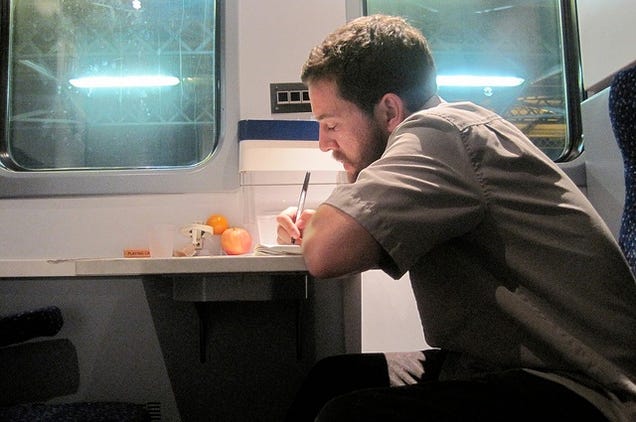
Regular writing can be functional, too, and serve as a reminder of mistakes you’ve made, accomplishments you’re proud of, and great moments you want to remember. For example, keeping a work diary can serve as a track record of mistakes and successes. That written record can come in handy later when you’re feeling down, but they can also help you right your personal ship when you’re feeling lost. Pick up your work diary and look back over the things you did really well with—you may be able to pick out a pattern of things you want to follow, career-wise. Similarly, those achievements and awesome moments don’t just boost your self-esteem, they give you great justification for a raise or promotion when it comes time to talk to the boss about an increase. You don’t have to be a creative worker to appreciate looking back over the things you did well, and the things you need to work on. Seeing your own mistakes before they’re pointed out to you is a great thing, and documenting your achievements makes sure they’re never overlooked.
Regular writing can apply to more than just work, too. Keeping a journal is a great way to build better habits, as it forces you to be aware of your actions and behaviors. If you’re looking to watch what you eat, keeping a food diary is a great way to stay paying closer attention—one that’s been proven to help people eat more healthfully. Similarly, just writing down positive things that happened to you or tracking your mood can help you identify good patterns in your life that are repeatable that you should make time for—not to mention things that make you feel bad or throw you off your game that should be eliminated.
Once you’ve decided to keep a journal, your next decision is the medium to use for it. You have plenty of options, and what works for one person won’t work for another. You have to choose the one that works best for you. Here are a few options:
Paper Notebooks

If you love the feeling of physically writing down your thoughts, a paper notebook may be the best option for you. There’s really nothing like setting pen to paper, and we even have some paper notebook suggestions to get you started. Keeping a paper journal gives you total physical control over your writing, and it gives you the most privacy, since there’s little chance of your journal being “hacked” or “lost” when a service shuts down or is compromised. However, paper journaling means you don’t have backups in case something happens to your work—theft, fire, or just a lost backpack means your journal is gone forever.
If you don’t want just a plain empty notebook, the Bullet Journal productivity method fits in nicely if you’re already using your paper notebook for to-dos and notes, and the previously mentioned Sorta has unique notebooks with removable pages. If you’re afraid you’re too busy to journal, consider the Five-Minute Journal, a paper notebook that’s sets you up with a motivational quote, then gives you daily writing prompts to fill out like “Today I’m grateful for,” “What would make today great?” and “3 Great Things that happened today.”
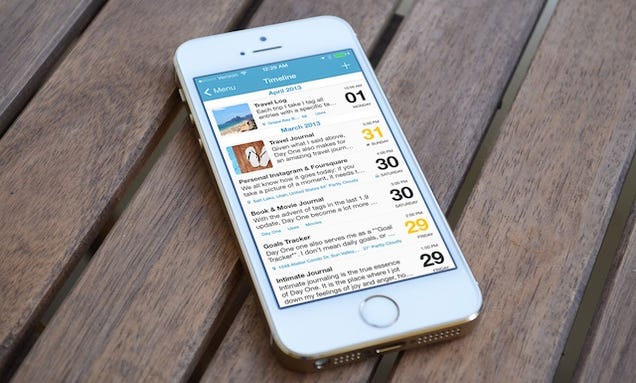
If you just can’t separate yourself from your phone or laptop, there are plenty of apps that promise privacy and security as well as a great writing environment. We’ve featured a few before, but some of the stand-outs include Penzu, an all-online private journaling webapp with mobile apps, and Day One, a good looking iOS/OS X app that’s location-aware, lets you add photos, and more. If you prefer free and open-source, try RedNotebook. It’s a fantastic wiki-style journaling tool that’s cross-platform.
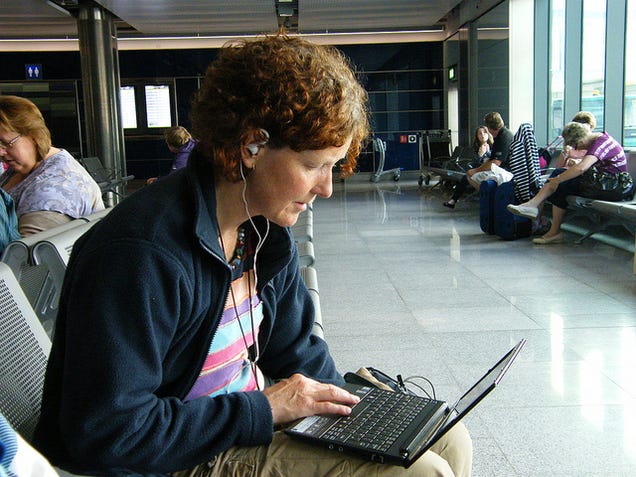
Blogging is another great way to get the benefits of journaling, regardless of whether you get started to make a name for yourself, or to just get your thoughts and feelings out in the open. Keeping a blog opens the door to the widest possible audience, but it comes with the sacrifice of privacy. If that’s your preferred route, you have a wide array of tools and hosts to choose from, both free and paid. We’ve walked you through some of the most popular blogging platforms, and even introduces some of the new contenders you may have heard of. All of them offer different looks, cater to different audiences, and are designed for different kinds of people. Whatever you choose, keeping a personal blog may not come with writing prompts or fancy mobile apps (although some do), but they can come with community, and option to share your story with the world.
However you choose to keep your journal, there are clear benefits to doing it. You don’t have to be Kurt Cobain, Isaac Newton, Abraham Lincoln, Andy Warhol, Leonardo Da Vinci, or any other famous artist, creative, politician, scientist, or famous figure for your thoughts and experiences to be worthwhile. In every case, they can be a huge benefit to you, personally, and enlightening for anyone you choose to share them with.
-

5 Ways to Overcome Your Fear of People
Legend has it that Nasrudin was walking alone at night when he saw a group of people approaching in the far distance. Instantly, his imagination began to toy with him: “They are surely robbers!” he thought. “No, why just robbers? Murderers, cutthroats! About to set upon me, a lonely traveller, leave me for dead and steal all my possessions! How are my wife and children going to cope without me?!”
Nasrudin’s heart began to pound. His mouth became as dry as his palms became wet. He shook from head to toe and found himself breathing like an unfit man running to the finishing line of his first marathon.
Having thoroughly terrified himself, he stumbled into a nearby graveyard and cowered shaking inside an open tomb, awaiting his fate. Meanwhile, the harmless strangers, worried by his dramatic behaviour, approached him and looked with concern down into the tomb. “What, pray, are you doing down there?” they asked.
Nasrudin, calming down quickly, said: “Well, put it this way: I am here because of you and you are here because of me!” (1)
Imagination is a tool to be used, but how many people misuse it to torment themselves? Imagination and emotionality are closely linked and what we imagine can feel very real to us (even when it isn’t at all).
As the author Katherine Paterson once said: “To fear is one thing. To let fear grab you by the tail and swing you around is another.”
If you find yourself becoming overly anxious, use the following steps to help you calm down and start to regain control.
1) Breathing is the short circuit for anxiety
I know I know, you hear a lot about ‘deep breathing’ to help you relax and reduce anxiety, but bear with me.
Quicker, shallower breathing is the first trigger which catapults all the other anxious symptoms into action. So by controlling breathing you control all the other anxiety symptoms as well.
If you purposely breathe out longer than you breathe in, your body has to calm right down (regardless of what tricks your imagination is playing on you).
So if you start to feel fearful:
- Stop
- Focus on your breath
- Take a breath in (to the quick count of 7 in your mind)
- Then slowly breathe out (to the quick count of 11 in your mind)
If you do this for a minute or so, you’ll be amazed how quickly you’ve calmed down. We call this ‘7/11 breathing’ but the numbers are up to you, just as long as the out-breath is longer than the in-breath.
“That’s all very well!” I hear you say. “But when I get anxious I forget everything and all good advice goes out the window!”
Good point and well made. This brings us to…
2) Prepare for peaceful performance
If you get anxious and fear upcoming events, you’ll notice that just thinking about that interview, speech, or whatever will start to cause physical responses – namely, anxiety.
So you might be thinking about next Wednesday’s dental appointment and find yourself breathing more quickly or your palms getting moist. This in turn primes your body to become even more anxious in the actual situation and so the vicious cycle continues. And note the role of the imagination in priming your mind and body to feel fearful (see opening story).
But you’re going to find that breathing in a relaxed 7/11 way whilst imagining the upcoming situation ahead of time calms the association down, priming your mind to feel more relaxed naturally and automatically when the actual situation arrives.
So when you find yourself thinking about the future event, do 7/11 breathing.
One symptom of too much fear or anxiety is not being able to think clearly (Nasrudin stumbled into the nearest tomb!). This happens because the emotional part of the brain ‘swamps’ the thinking part so as to avoid, say, over-analysis getting in the way of running like Bejessus from a lion.
But in most modern situations we want to retain clear thought. And keeping your ‘thinking brain’ working actually calms you right down. The next step helps you do that.
3) Use a different part of your brain
When we become very anxious, it’s harder to think clearly. But if we force ourselves to use parts of ‘the thinking brain’, this will dilute the emotion and begin to calm you down.
The easiest way to do this is with numbers. You can scale your own fear from 1 to 10, 10 being the most terrified it’s possible to be and 1 being the ultimate relaxed state.
When you’re feeling anxious, ask yourself: “Okay what number on the scale am I right now? Am I a 7, or a 5?” Just doing this will lower anxiety because it kick-starts the thinking brain, diluting the emotion and automatically making you calmer.
I recall the first time I gave a speech to three hundred people. Just before I was about to start, I was feeling more anxious than I would have liked. So I scaled myself at a 6, breathed longer out than in for a few moments, and waited for myself to go down to a 3 before starting. I took control. Scaling (sometimes known as ‘grading’) your fear puts a ‘fence’ around it, making it more manageable, and forces you to think.
4) Get control of your imagination
Fear and anxiety thrive when we imagine the worst. We developed imagination to be able to project into the future so we can plan ahead. However, a side effect of being able to imagine possible positive futures is being able to imagine things going wrong. A bit of this is useful; after all, there really might be muggers or loan sharks. But uncontrolled imagination is a nesting ground for anxiety and fear that can spoil otherwise happy lives.
Some people misuse their imagination chronically and so suffer much more anxiety than those who either future-project their imaginations constructively or who don’t tend to think about the future much at all. Anxious, chronic worriers tend to misuse their imaginations to the extent that upcoming events feel like catastrophes waiting to happen. No wonder whole lives can be blighted by fear and anxiety.
Some people don’t even really know they are doing this. So:
- Sit down and do your 7/11 breathing.
- Count yourself down from whatever number you deem yourself to be to a 2 or a 1.
- Imagine seeing yourself in the situation you were dreading, but see yourself being calm, composed, cool, and comfortable and things going well. Doing this starts to recondition your mind to feel calmer and more upbeat about upcoming events or regular situations which were causing anxiety.
5) Use the AWARE technique
Fear and anxiety can feel as if they ‘just happen to us’, but we have much more control than we realize. AWARE is an acronym standing for:
A: Accept the anxiety. Don’t try to fight it.
W: Watch the anxiety. Just watch it and when you notice it, scale your level of fear and start to breathe longer on the out-breath.
A: Stands for ‘Act normally’. Carry on talking or behaving as if nothing is different. This sends a powerful signal to your unconscious mind that its over-dramatic response is actually not needed because nothing that unusual is going on. Like fire fighters coming out and seeing that no emergency is happening and so going back to the fire station.
R: Repeat the above steps in your mind if necessary.
E: Expect the best. One of the greatest feelings in life is the realization that you can control fear much more than you thought possible.
Overcoming fear and anxiety will give you the ‘spare capacity’ in life to focus on what you really want to be and do. It takes effort, but imagine the rewards.
-

5 Ways To Boost Your Self Confidence
Self-confident people are admired by others and inspire confidence in others. They face their fears head-on and tend to be risk takers. They know that no matter what obstacles come their way, they have the ability to get past them. Self-confident people tend to see their lives in a positive light even when things aren’t going so well, and they are typically satisfied with and respect themselves.
Wouldn’t it be amazing to have this kind of self-confidence, every day of the week? Guess what? You can.
“Low self-confidence isn’t a life sentence. Self-confidence can be learned, practiced, and mastered–just like any other skill. Once you master it, everything in your life will change for the better.” –Barrie Davenport
It comes down to one simple question: If you don’t believe in yourself, how do you expect anybody else to?
Try some of the tips listed below. Don’t just read them and put them on the back burner. Really begin to practice them daily, beginning today. You might have to fake it at first and merely appear to be self-confident, but eventually you will begin to feel the foundation of self-confidence grow within you. With some time and practice (this is not an overnight phenomenon), you too can be a self-confident person, both inside and out, whom others admire and say “Yes!” to.


1. Stay away from negativity and bring on the positivity
This is the time to really evaluate your inner circle, including friends and family. This is a tough one, but it’s time to seriously consider getting away from those individuals who put you down and shred your confidence. Even a temporary break from Debbie Downer can make a huge difference and help you make strides toward more self-confidence.
Be positive, even if you’re not feeling it quite yet. Put some positive enthusiasm into your interactions with others and hit the ground running, excited to begin your next project. Stop focusing on the problems in your life and instead begin to focus on solutions and making positive changes.
2. Change your body language and image
This is where posture, smiling, eye contact, and speech slowly come into play. Just the simple act of pulling your shoulders back gives others the impression that you are a confident person. Smiling will not only make you feel better, but will make others feel more comfortable around you. Imagine a person with good posture and a smile and you’ll be envisioning someone who is self-confident.
Look at the person you are speaking to, not at your shoes–keeping eye contact shows confidence. Last, speak slowly. Research has proved that those who take the time to speak slowly and clearly feel more self-confidence and appear more self-confident to others. The added bonus is they will actually be able to understand what you are saying.
Go the extra mile and style your hair, give yourself a clean shave, and dress nicely. Not only will this make you feel better about yourself, but others are more likely to perceive you as successful and self-confident as well. A great tip: When you purchase a new outfit, practice wearing it at home first to get past any wardrobe malfunctions before heading out.
3. Don’t accept failure and get rid of the negative voices in your head
Never give up. Never accept failure. There is a solution to everything, so why would you want to throw in the towel? Make this your new mantra. Succeeding through great adversity is a huge confidence booster.
Low self-confidence is often caused by the negative thoughts running through our minds on an endless track. If you are constantly bashing yourself and saying you’re not good enough, aren’t attractive enough, aren’t smart enough or athletic enough, and on and on, you are creating a self-fulfilling prophecy. You are becoming what you are preaching inside your head, and that’s not good. The next time you hear that negativity in your head, switch it immediately to a positive affirmation and keep it up until it hits the caliber of a self-confidence boost.
4. Be prepared
Learn everything there is to know about your field, job, presentation–whatever is next on your “to conquer” list. If you are prepared, and have the knowledge to back it up, your self-confidence will soar.
5. For tough times, when all else fails: Create a great list
Life is full of challenges and there are times when it’s difficult to keep our self-confidence up. Sit down right now and make a list of all the things in your life that you are thankful for, and another list of all the things you are proud of accomplishing. Once your lists are complete, post them on your refrigerator door, on the wall by your desk, on your bathroom mirror–somewhere where you can easily be reminded of what an amazing life you have and what an amazing person you really are. If you feel your self-confidence dwindling, take a look at those lists and let yourself feel and be inspired all over again by you.