Tag: mental health

  • How Meditation Changed My Life

    How Meditation Changed My Life

    Mamata Venkat wants to empower people to unplug from their gadgets and inspire them to start working on themselves as much as they do their jobs. She will discuss the interaction between our internal and external development using her practice of meditation to exemplify how success in either does not have to come at the cost of the other.

    A Perrysburg native, Mamata Venkat is a 2014 graduate of Wright State University with a Bachelor of Arts in International Studies and a Minor in Spanish. After an internship with the United Nations’ NGO Committee on the Status of Women, she decided to return to Dayton to achieve her lifelong passion of working in the healthcare field. She is currently pursuing a Post-Baccalaureate Pre-Medical Certification at Wright State, with the aspiration of working in public health. Mamata is also employed with the Department of State’s International Visitor Leadership Program and is a certified meditation instructor.

  • Stop Self Sabotaging

    Stop Self Sabotaging


    Leading executive coach shares insights about how we become liberated when the pain of where we are exceeds the fear of the unknown. She discusses how we get in the way of our own efforts to improve our health, careers, romances, and other priorities — and shows how adopting a childlike openness can start the virtuous cycle of improvement.

    Debi Silber MS, RD, WHC, FDN The Mojo Coach®, CEO of Lifestyle Fitness, Inc. and founder of www.TheMojoCoach.com and www.DebiSilber.com is a recognized health, weight loss, fitness, wellness, lifestyle and personal development expert. She’s a speaker, consultant and author of 2 books recommended by Brian Tracy, Marshall Goldsmith, Jack Canfield and many more. Debi’s branded The Mojo Coach® because she’s led countless others to achieve their ultimate body, mind, image and lifestyle; inspiring them to “get their mojo back” and transform into their personal and professional best.

    In addition to being a highly credentialed and awarded health expert, Debi has her own line of deliciously healthy Mojo Fuel Bars™ and shakes, has also contributed to FOX, CBS, The Dr. Oz show, The Huffington Post, Shape, Self, Health, Working Mother, Forbes, Psychology Today, WebMD, Yahoo Shine, Ladies Home Journal, MSN, Woman’s World and Glamour to name a few.

  • You Can Change Your Brain

    You Can Change Your Brain

    A physician and brain imaging researcher, Dr. Keener is an Adjunct Assistant Professor at the University of Pittsburgh and the CEO and founder of Emodt health design. Emodt is the world’s first emotional digital therapeutic firm, where doctors, designers and big-data researchers alike, work together to design emotional health in multiple dimensions of our lives.

    The human emotional experience immeasurably enriches our lives, and conversely can cause debilitating suffering. Previously thought to be the result of the gods, our parents or our surroundings, emotions are now shown through modern neuroscience to arise in distinct systems in the brain. What informs this, however, is a complex multi-dimensional web of interactions that occur in time and space, between body and mind, and in a rich social cognitive context that shapes and develops the structure of this very brain.

  • Mental Toughness: Think Differently about your World

    Mental Toughness: Think Differently about your World

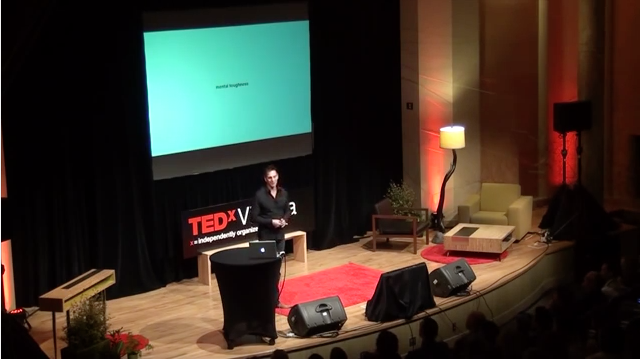
    Dr. Sean Richardson takes lessons learned from the professional athlete’s locker room to provide an overview of the subtleties of human brain & behavior function to facilitate overcoming the normal & predictable human barriers to success.

  • The Awakening of Consciousness

    The Awakening of Consciousness

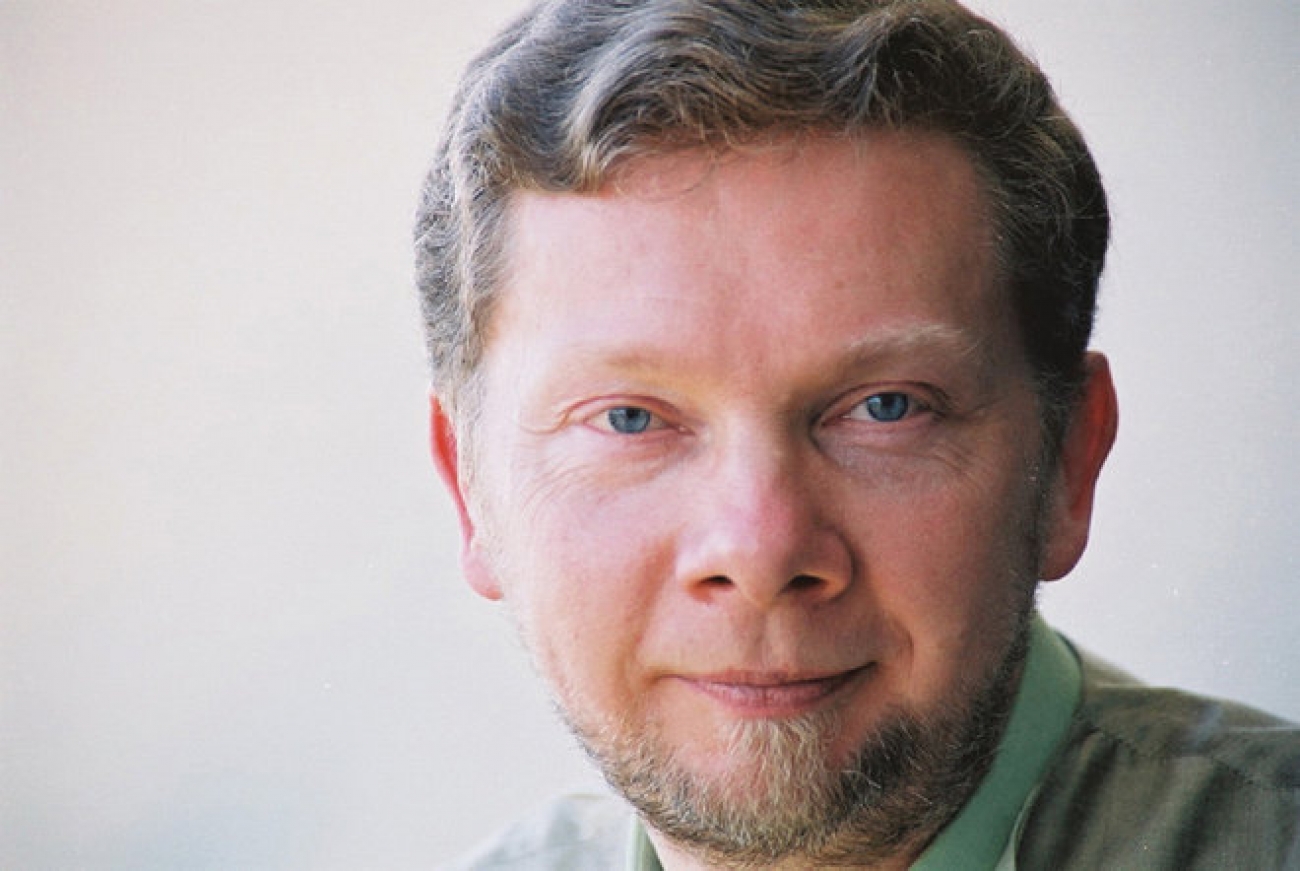
    Echart Tolle is a spiritualist, and author of the New York Times best-selling book, The Power of Now.

  • 5 easy steps to build your Self-Confidence

    5 easy steps to build your Self-Confidence

    5 Simple Steps to Building a Better Self-Confidence
    1. Personal Grooming
    2. Think Positively
    3. Act Positively
    4. Get Prepared
    5. Setting small achievable goals

  • Why I Decided to Stop Saying “This happened for a reason.”

    Why I Decided to Stop Saying “This happened for a reason.”


    In this deeply personal talk, writer Amy Bickers shares the challenges she faced following a traumatic incident, and the insights she took away from it. She shows how the cinematic structure of the stories we’re raised on isn’t the right way to look at the structure of our own stories.

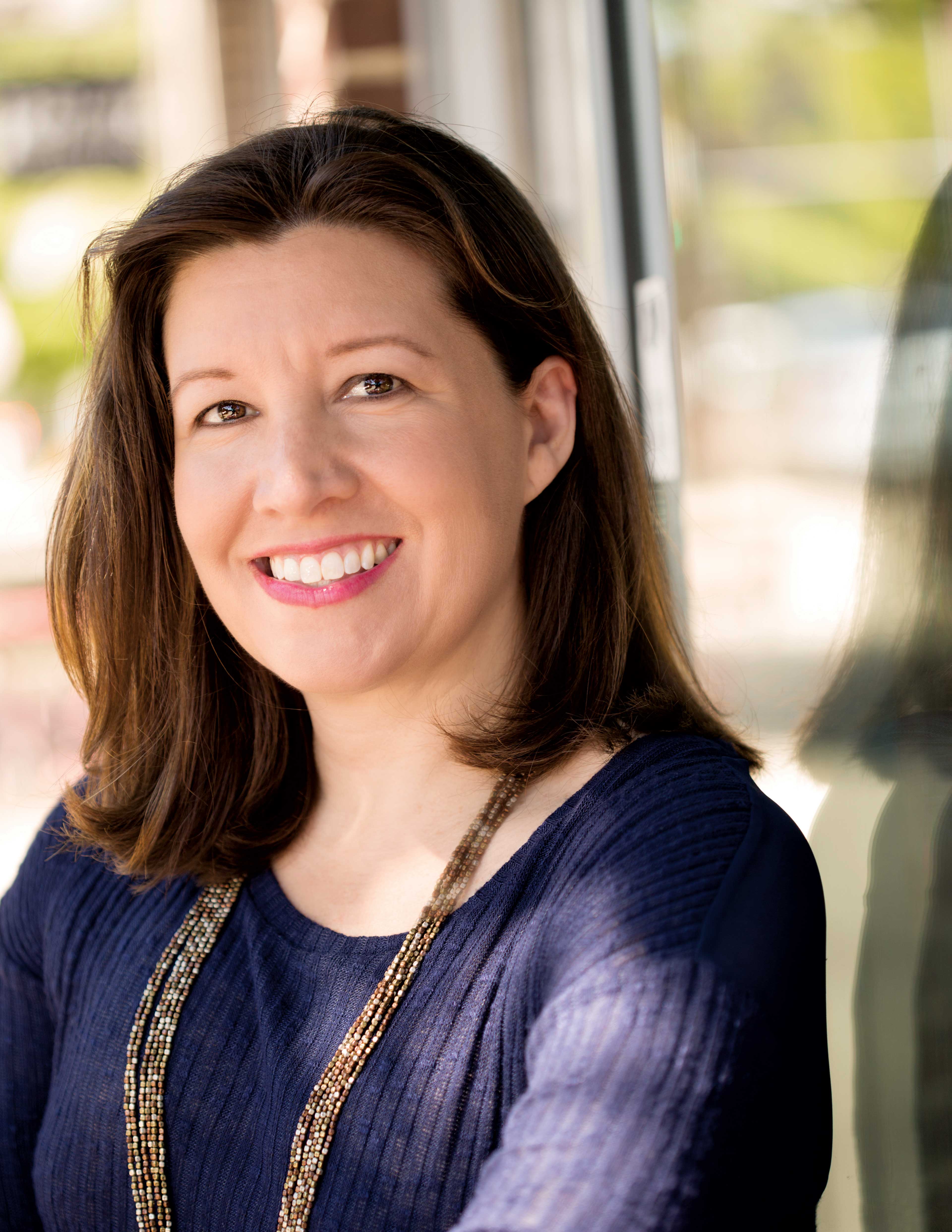
    Amy Bickers writes frankly and often humorously about such topics as grief, post-traumatic stress, and the antics of contestants on The Bachelor.

    A former newspaper journalist and associate editor at Southern Living, Amy Bickers is the author of “The Geography of You and Me,” her debut memoir about suicide loss. The memoir’s publication was funded through a successful Kickstarter campaign

  • Make Your Brain Smarter: It’s Not What You Think

    Make Your Brain Smarter: It’s Not What You Think

    Sandra Bond Chapman, PhD, founder and leader of the Center for BrainHealth at UT Dallas relates new scientific evidence that you literally can think your brain smarter and healthier. She debunks long-standing beliefs about what smart is and shares proven strategies to expand your brain span to more closely match the ever-increasing human lifespan. Whether you are young or old, Dr. Chapman will inspire you to test the limits of your own brain potential.
    Your brain is your greatest asset and natural resource. It is the most changeable part of your entire body. However, vastly more personal attention and effort are directed at improving physical health than at strengthening and regaining the highest level of brain performance. Dr. Chapman’s research taps into the secret of making your brain smarter, harnessing the CEO of your brain performance – your frontal lobes. Her techniques show how to engage your frontal lobes, ignite your passion and learn to be strategic about the way you expend precious brain energy.
    From teens to corporate executives to warriors to healthy agers, as well as individuals with brain disease or injury, Dr. Chapman and her team at the Center for BrainHealth have created strategies to increase creativity, energy and focus for people of all ages.

    In the junior high school classroom, these strategies take a new approach to education and have improved teen reasoning ability, showing 30% gains in critical thinking across socioeconomic status. Business leaders who have embraced these healthy brain habits report increased innovation and their employees demonstrate greater productivity and efficiency. Former military service personnel have used these brain-training techniques to bridge barriers to returning to civilian society, making home life and work life markedly better. One veteran described his transformational experience as “cognitive resurrection”. Healthy agers and individuals debilitated by mild cognitive impairment, which is often the pre-cursor to Alzheimer’s disease, showed increases in memory and other cognitive functions. Individuals with concussions or traumatic brain injury (TBI) exhibited brain repair and improved cognitive performance, even years after injury.
    Dr. Chapman’s dream is that you will act now to make an investment in your brain potential and build the cognitive reserves today to ensure that your best brain years are ahead of you, not behind you.

  • Hacking Your Brain for Happiness

    Hacking Your Brain for Happiness


    Dr. James Doty explains the neurological benefits of Compassion. “Project Compassion” has now turned into a leading research and educational institution and the only institution solely focused on the study of Compassion, Altruism and Empathy.

    Compassion improves the world; yet the world around us seems ever in need of greater feats of compassion. How, then, can we create more compassion and inspire compassionate acts? And how is it that the brain and the heart work together to create compassion in the first place? James Robert Doty, M.D., tackles these tough questions, examining the neural, mental, and social bases of compassion. He serves as Professor of Neurosurgery at Stanford University School of Medicine and Founder and Director of Stanford University’s Center for Compassion and Altruism Research and Education (CCARE) – of which the Dalai Lama is the founding benefactor. He serves as Chairman of the Dalai Lama Foundation and as a member of the International Advisory Board of the Council of the Parliament of the World’s Religion. He has just release his first book, Into the Magic Shop: A Neurosurgeon’s Quest to Discover the Mysteries of the Brain and the Secrets of the Heart.


  • Surviving the Cult of Hard Work and Learning to Love Life

    Surviving the Cult of Hard Work and Learning to Love Life

    Bristol’s search for connection led to a rapid rise in the film business and her mission to inspire people to engage more deeply with the world one film at a time. Somewhere along the way she confused her worth with work and found herself worshipping at the altar of hard work and external validation. Overwhelmed by a sense of disconnection, Bristol underwent what she calls a “soul-hijacking.”