Tag: New Year New You

  • Why fitness is more important than weight

    Why fitness is more important than weight

    In her talk, Leanne will argue that striving for a perfect, skinny appearance is not the answer to obesity. Instead, the focus should be on functional fitness and incorporating exercise in our daily lives for all the benefits it brings, not just weight management.

    Leanne Spencer is an entrepreneur, speaker and bestselling author. Born in Dorset, she spent 17 years working in the City of London before suffering burnout and leaving to establish her business and to follow her true purpose, which is to campaign for gender equality and the promotion of positive female role models for young people. Leanne now spends her time giving talks on the importance of positive female role models (“you can’t be it if you can’t see it”), and why we all need to change our attitudes towards food, fatness, fitness and most importantly, how we look.

  • Three Myths of Behavior Change

    Three Myths of Behavior Change

    Jeni Cross is a sociology professor at Colorado State University. She has spoken about community development and sustainability to audiences across the country, from business leaders and government officials to community activists. As a professor and consultant she has helped dozens of schools and government agencies implement and evaluate successful programs to improve community well-being. In this talk, she discusses her work around changing behaviors.

  • How To Engage in Better Small

    How To Engage in Better Small

    Minister Faust is a life-long story-teller. The author of several internationally-acclaimed novels, Minister Faust has published scores of articles in newspapers and magazines, hosted and associate-produced a national lifestyle magazine television show, been a celebrity judge on two seasons of The 3-Day Novel Contest, hosted and produced his own news and music radio shows for over 20 years, and spoken to audiences in the tens of thousands. Even after decades of interviewing people, Minister Faust is more passionate than ever about engaging people’s natural story-telling wishes and powers, using carefully-crafted questions to hear their most remarkable tales and revelations. He’s looking forward to the release of his new novel “The Alchemists of Kush” and his book “The Cure for Death by Small-Talk” later this summer.

  • What Really Matters at the End of Life

    What Really Matters at the End of Life

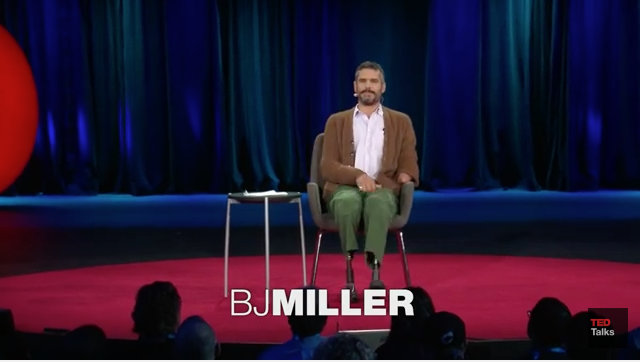
    At the end of our lives, what do we most wish for? For many, it’s simply comfort, respect, love. BJ Miller is a palliative care physician who thinks deeply about how to create a dignified, graceful end of life for his patients. Take the time to savor this moving talk, which asks big questions about how we think on death and honor life.

  • Stress Kills, Here’s How To Alleviate It

    Stress Kills, Here’s How To Alleviate It

    Lets face it, Americans are stressed. Most people aren’t working your typical 9-5, 40 hour weeks anymore. Our junk food habits, and stress are killing us. Literally. Stress is bad for your health and can lead to high blood pressure, depression, heart disease and hair loss among many other things. The key here is identifying your moments of stress, so that you can work on ways to live free of it. The activities below are proven, non medically invasive things you can do to alleviate stress.

    Meditate

    article-2581166-1C4C933F00000578-914_634x347

    Meditation is the brains reset button. Think about this for one moment. Your brain is always working. It keeps you alive, regulates your breathing, helps you think and make choices every minute of the day, every second of the hour. Meditation is a break from all of that. It gives the mind a chance to relax, and when your mind is at ease, life situations aren’t so stressful anymore:

    Benefits of Meditation:

    • Gaining a new perspective on stressful situations
    • Building skills to manage your stress
    • Increasing self-awareness
    • Focusing on the present
    • Reducing negative emotions

    Don’t know how to meditate? Not a problem. Have a look at the video below for instruction on how to do it successfully.

    Exercise

    how_exercise_can_make_you_smarter

    Before you go off saying “No! exercise just isn’t for me,” just know that your body loves it. Exercise often is associated with pain because people often think it involves a fancy gym membership, and lots of hard work. This couldn’t be further from the truth. There are many different forms of exercise that require minimal impact, that you can do in the comfort of your own home.

    According to Rick Richey, master instructor with the National Academy of Sports Medicine, walking just thirty minutes a day can reduce your risk of chronic illnesses like diabetes, stroke and heart attack. The body aboslutely loves physical exercise, and in this case specifically, exercise can help positively impact your emotional health by alleviating stress.

    Benefits of Exercise

      • It pumps up your endorphins. Physical activity helps bump up the production of your brain’s feel-good neurotransmitters, called endorphins. Although this function is often referred to as a runner’s high, a rousing game of tennis or a nature hike also can contribute to this same feeling.


      • It’s meditation in motion. After a fast-paced game of racquetball or several laps in the pool, you’ll often find that you’ve forgotten the day’s irritations and concentrated only on your body’s movements.


      • As you begin to regularly shed your daily tensions through movement and physical activity, you may find that this focus on a single task, and the resulting energy and optimism, can help you remain calm and clear in everything you do.


      • It improves your mood. Regular exercise can increase self-confidence, it can relax you, and it can lower the symptoms associated with mild depression and anxiety. Exercise can also improve your sleep, which is often disrupted by stress, depression and anxiety. All of these exercise benefits can ease your stress levels and give you a sense of command over your body and your life.

    Journaling (Learn to Be Grateful)

    080815_The-Art-Of-Journaling

    Sound a bit off? When you’re in a heated argument with your spouse, or loved one, the last thing you want to hear is “be grateful,” when your teeth are grinding and you have a clenched fist. However, taking the time to decompress, walk away, and write down the things you are grateful for, will almost immediately shift your focus from a stressful situation.

    Go into a quite room and close the door. Write down ten things in  your life you are grateful for. Don’t just write things down and  let them be, but rather, expand on it by openly discussing why you are grateful for the things you wrote down.

    Benefits of Writing 

    • Writing about anger, sadness and other emotions helps to release the intensity of these painful feelings. By doing so you will feel calmer and better able to stay in the present.

    In conclusion, there are many other ways to alleviate stress. I highlighted activities proven by medicine that work most effectively. For some people, alleviating stress might mean driving along the countryside, and for others, playing video games.

    The key here is to identify what triggers your stress levels, and then coming up with a plan to help relieve that stress. Failing to do so could compromise your health longer term. Considering how easy it is alleviate stress, implementing one of these strategies will keep you living stress free and spiritually prosperous for years to come.

  • Knowing Your Life Purpose in 5 Minutes

    Knowing Your Life Purpose in 5 Minutes

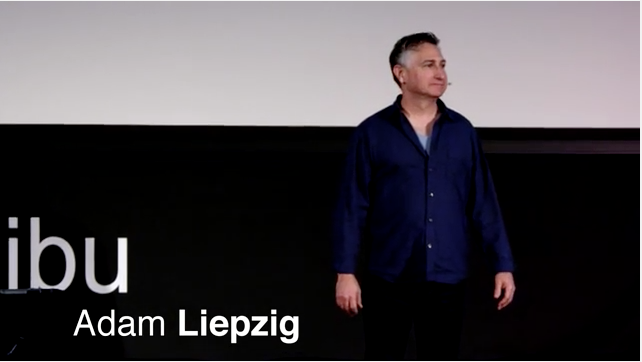
    Adam Leipzig has overseen more than 25 movies as a producer, executive and distributor. and has produced more than 300 stage plays and live events, and he was one of the founders of the Los Angeles Theatre Center.

  • Coping With Failure and Setbacks

    Coping With Failure and Setbacks

    http-thinkjarcollective-comtoolsthomas-edisons-creative-thinking-habits

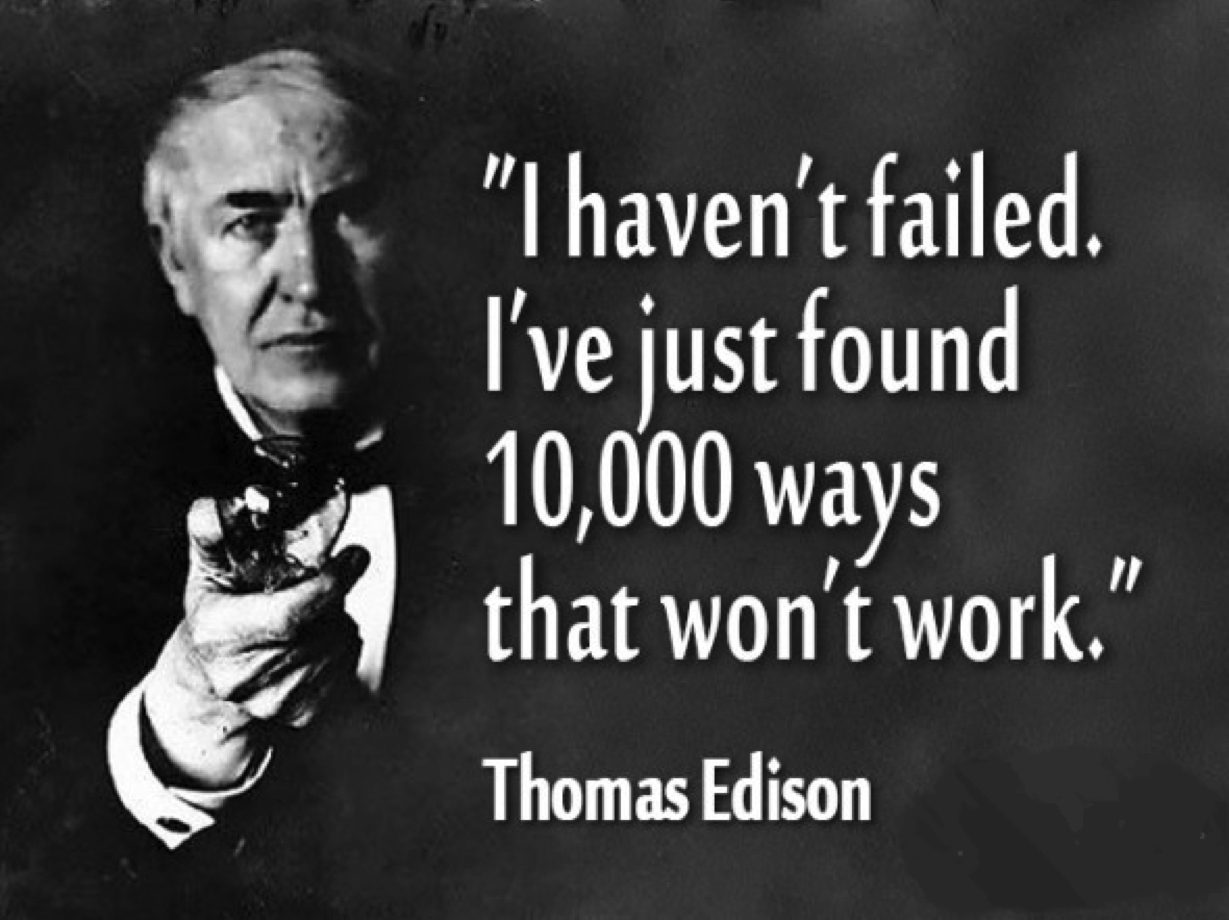
    Failure is hard to stomach, especially when when you put your heart and sole into something and it just doesn’t pan out. Lets face it, some things are just not meant to be, like that relationship, job, or business venture. Learning to cope with it all is a challenge and in this piece, I will give you tips, and steps you can take to help you brush off your setbacks.

    1. Stop Dwelling

    To dwell means to continue to relive the failure over and over again in your head. When we dwell, we have a tendency to focus too much on what could have been, instead of how we can correct the problem. Don’t get lost in your thoughts, and continue to internalize the issue you are dealing with. If it is worth saving, like a relationship, work with the person on how to move forward if it is what the two of you want. If it’s a setback with a new years resolution, brush yourself off, and pick up where you left off. Spend your time dwelling on a solution to the problem, then the problem itself and you will see a big difference in your attitude as a result.

    2. Don’t Beat Yourself Up

    Self sabotaging isn’t going to help you out one bit so it’s best to stop beating yourself up right this minute. Remember, life is filled with instances of results, and outcomes, and that’s how you need to define failure. Failure isn’t necessarily permanent when it comes to goals and objectives. It just means that a particular way of doing something isn’t working. Failure is life’s mechanism to indicate to you that a different approach is needed. Moreover, blaming yourself for failing is just going to further exasperate you to the point where you are too upset to retry, which leads us to step number three…..

    3. Learn to Accept

    Years ago, I was involved in a business that I gave 100% to, with all my heart and soul. I sacrificed time with family, friends, and relationships just to make it work and in the end it just wasn’t meant to be. The business literally ran out of money, and to continue, it would require major financial investment. After a thorough analysis, it was just something my partners and I could no longer afford. We had to learn to accept what our limits were at that time, and in this case specifically, it was money. Sometimes in life, outcomes are out of our control.

    We must learn to accept these outcomes, and move forward with a new plan. Once you learn to accept what the reality is, it will give you clarity, and peace of mind to accept new challenges in your life. You can only do this clarity once you learn to accept.

    4. Seek Guidance

    Failure is part of the human experience, and chances are your friends, family and those you most admire have failed many times in their lives. Seek the guidance of successful people, and ask them to tell a story of a time they failed miserably at something. Not only will this serve as a source of motivation for you, it will make your failures seem like nothing. Did you know that Col. Sanders, the man who famously founded Kentucky Fried Chicken, tried to sell his “secret recipe” to over 1,000 restaurants before one said ‘yes.’ Most impressive was he did this aged 62, and went door to door over a period of a few years until he could convince someone to buy his recipe. Now that is determination for you! Seek the guidance and advise of successful people who have failed at something. They will undoubtedly have a story to tell you.

    5. Take the Focus Off of Yourself

    We live in a ‘me, me, me’ generation. Lets face it, your problem more than likely isn’t as bad as the child who will go to sleep hungry this very night, because he doesn’t have enough food to eat. Yes this sounds a bit off key, but there are more other pressing issues in a world filled with injustice and inequality, that are waiting on people like you to help. Volunteer at a local homeless or animal shelter, or help your elderly neighbor with yard work. Visit your local ASPCA to inquire about how you can foster a pet, and do more than just give your money. Give your time. Take the focus off yourself and try and help people who have much more serious problems, than you might ever have in your life. This will help you take the focus off of yourself, and put into perspective how grateful you should be to have your life.

  • The Comprehensive Guide To Sticking To Your New Years Resolution

    The Comprehensive Guide To Sticking To Your New Years Resolution

    banner

    It’s that time of year again when millions of Americans, and people all over the world make their dreaded New Years resolution. Why dreaded? Studies show that the failure rate is high just after the first few months, as people return back old habits that set them back in terms of progress, before they quit all together.

    If your goal is to change your life, lose weight, break addiction, or stop a bad habit like smoking, or even drinking, these simple 5 steps below will help you stick to your New Years Resolution.

    1. Set Realistic Goals

    Hypothetically speaking, if your plan is to lose 100 pounds in two months, you know for sure that this is an unrealistic goal. Take baby steps, and start with a mini goal of something feasible like 3 pounds a week. As time goes on, challenge yourself incrementally, and modify your goals to challenge yourself accordingly.The same goes if you are trying to switch careers, or quit smoking. Take baby steps, and do not be discouraged when there are setbacks. Setbacks are outcomes, not total failures. Pick up the pieces where you left off after you assess what is wrong, and keep moving forward.

    2. Make A Plan

    Now that you have your goals written down, congratulations, you are on to step number two: Make A Plan. There is that old cliché saying ‘If you fail to plan, you plan to fail,’ and it is true. You must now strategize to figure out how you are going to accomplish your goal. Buy yourself a notebook, and write down just how you plan to accomplish that goal. For example, if you are trying to stop smoking, write down and strategize just how you plan on doing that. Do you have triggers that make you smoke? Write down what they are, and create a written plan on how to avoid such triggers.

    3. Take The Action

    Your ready to move now. Sustainable change happens when you take consistent action to put your plan into motion. Most people will write down a goal, and make a plan, but forget this very critical and important third step. Setting a goal without taking the action is just a wish. True progress is measured only after you act. Get moving! ❤️

    4. Stay Consistent

    Change is instant once you decide. However, sustaining that change over a period of time is the real challenge. Forget about the worries of tomorrow, and rather focus on the now, focus on today. Stick to your plan making sure to check your progress at the end of every week. If you are not making any headway, change your plan until you get it right. It takes only 30 days or less of consistent conditioning to break any bad habit. Do not be discouraged or distracted.

    5. Declare Your Goals To Friends and Family

    Most people quit anything they try their hands at because there is no level of accountability. The interesting thing about us humans is that when we tell someone we are trying to change something about ourselves, they check in on us from time to time to make sure we are measuring up to expectations. Tell your friends, and tell the world for that matter about your goals for the new year. Start a Facebook page outlining your goals if you need to, and make it your mission to chronicle your journey along the way. Good friends, and family especially, will help motivate and encourage you along the way.

    These are the 5 steps you can take today to leave the baggage, and setbacks of 2015 behind. Remember why you want to change. If you aren’t growing, you’re either dying or staying the same. Who doesn’t want to evolve anyways? Never quit, be patient, keep a steady hand and always record your progress.

    Wishing you a Happy New Year.

  • Forget Big Change, Start With a Tiny Habit

    Forget Big Change, Start With a Tiny Habit

    What if someone told you to floss only one tooth everyday? Or start the new year, not with grand resolutions, but with a simple challenge.. like ONE pushup a day? BJ Fogg shows us that the key to lasting change does not lie in planning big, monumental changes, but in thinking really, really small. Chosen by Fortune Magazine as one of “10 New Gurus You Should Know”, Fogg directs the Persuasive Tech Lab at Stanford University.

  • How to Get Rid of Toxic Relationships in Your Life

    How to Get Rid of Toxic Relationships in Your Life

    People can be toxic in different ways, but regardless of what kind of toxicity they bring to a relationship, they just have to go. One toxic person in my life was manipulative of my time and resources, and another always talked about himself and how bad things continued to happen to him all the time. For my own sake and the sake of my family, I had to tell them both I didn’t want to hear from them again.

    Sit down and really think about the relationships in your life. Think about how you react to those relationships. Do you find yourself screening phone calls because of one or two people? Are you avoiding activities you used to enjoy because a certain person makes them miserable? These are glaring signs that you’re in a toxic relationship.

    When Toxic People Are Poisoning Your Life

    Toxicity is the degree to which a substance can damage an organism. If someone is causing damage to your life, then he’s toxic and should be dealt with accordingly. People who suck the life out of you with negative attitudes, constant complaining, gossip, selfishness, or extreme dependency are damaging you in a way that can cause depression and anxiety.

    You wouldn’t hesitate to cut toxins out of your diet, nor would you think twice before removing toxic substances from areas where your children play, so why is it that we are so hesitant to remove toxic people from our lives? The most obvious reason is that most of us like to avoid conflict and don’t want to hurt another human being’s feelings.

    However, you need to have the courage to tell a toxic person the truth. Not only is this the only way to remove a damaging relationship from your life, but that person needs to have his feelings hurt so he can examine his life, face his own toxicity, and hopefully make a change. He may or may not change, but that’s up to him — not you. You can only change your own life by choosing who can be a part of it.

    Freeing yourself of toxic relationships is not easy, but there are 3 steps you can follow that will help:

    Step #1: Establish Boundaries and Don’t Apologize for Them

    Boundaries are instrumental in maintaining your sanity and health. If people don’t respect your boundaries, they aren’t respecting you. Make a list of your own personal boundaries, and don’t be afraid to tell other if they cross them.

    Step #2: Know that Toxic People Won’t Leave Easily

    In any ecosystem, toxins must be met with powerful forces to eradicate them. Toxic people will not just “go away.” They may push back and become irrational, angry, or act like victims. Don’t beat around the bush or defend yourself; tell toxic people the truth and be consistent and firm in your decision.

    Step #3: Recognize Signs of Toxicity in People

    You have to learn to recognize the signs that a person is toxic, or it won’t be long before the seeds of toxicity develop stubborn roots. You must learn to protect yourself from toxic people in the same way you protect yourself from catching a cold by washing your hands and avoiding contact with infected people. Watch out for people who negatively affect your other relationships, invade your space, and take up a lot of your time. If a person makes you feel uncomfortable or unproductive, he’s probably toxic.

    It’s Ok to Say, “I Don’t Want to See You Again”

    Because toxic people are drawn to those who are empathetic and trusting by nature, it can be difficult for that kind of person to do what it takes to free himself. At first, you might feel as if you’re being harsh or mean, but recognize that it’s Ok to defend yourself and your sanity. If you value your physical, emotional, spiritual, and relational health, you’ll do what it takes to get rid of toxic relationships.

    It’s important to remember that when you remove toxic people from your life, you’ll go through an adjustment period during which you might question your decision or rationalize the behavior of the toxic person. Be strong and remember that you are doing this for your own good — and for the good of your family. Negativity will eventually manifest itself physically and emotionally, causing a ripple effect that will impact both you and your loved ones.

    The truth is that we need relationships, but we don’t need every relationship. Surround yourself with positive people who bring you up, rather than drag you down. You don’t have to sacrifice your sanity because you don’t want to hurt someone’s feelings. You don’t have to be controlled by your own kindness. You can be a good person without bending to the will of those who damage you with their own selfishness.