
Ever wonder why it is that we need sleep. Yes you may think it is because you are tired, however, there are some important life and body processes that are happening why you are dozing away. Yes, sleep is more important than we could ever imagine.
Category: Health & Wellness
-

One More Reason to Get a Good Nights Sleep
Watch this video and learn of the one more good reason to get a good nights sleep.
-

How to Meditate
Meditation is a great tool you can use to calm your nerves, live less anxiously, and gain control. If you have tried everything under this moon, including medication, try meditation. It is known to be helpful if you do it properly. This video instructs you on proper meditation techniques.
-
Overcoming Weight Loss Plateau
Thanks to Dr. Mike for contributing. How do you break through a weight loss plateau?
-
How To Beat Your Chocolate Addiction
Although there has been some debate about the attraction of chocolate, it is
most unlikely that you will suffer from withdrawal symptoms if you reduce
your intake.Most of us enjoy eating chocolate – it is a pleasant
experience. You appear to have recognised that eating as much as you do is
not healthy or sustainable, hence you are trying to understand why you do
it. Ask yourself if you are you attempting to hide your guilt behind
addiction.
Convince yourself you can eat less. Learn to differentiate between need and
want. We need certain amounts of different foods but often we want more.
Before you buy, think: ‘Do I need it?’ This takes willpower. But you can do
it.Help yourself by not having chocolate at home. Break the habit of having
snacks during the day. If you think boredom is a reason why you eat so much,
do something healthier instead, such as going for a walk or simply having a
glass of water.
But don’t become obsessed. Treat yourself occasionally rather than try to
give it up, only to fail and return to your old ways. And don’t forget to
congratulate yourself when you have reduced how much you eat. -

Why Meditation is the Key to Success
There are so many myths about how to meditate, what a daily meditation practice means, and what the overall experience of meditation should be. I was happy to see Bhanu Narasimhan from the Art of Living Foundation debunk common meditation myths.
Here’s the thing: Meditation is for everyone, and it’s different for everyone. There is no right or wrong way of doing it, and meditation can help you increase your focus, reduce stress, and prevent common health ailments. While some people have a meditation practice that is part of a larger religious or spiritual path, it certainly doesn’t have to be.
If you’re a little skeptical about the benefits of meditation, I love this Lifehacker post, “What Happens to the Brain When You Meditate (And How it Benefits You),” written by a former skeptic of meditation.
In this episode of She Takes on the World TV I want to make meditation super simple for you, with this daily meditation technique I learned in China.
Check it out:
-
7 Foods Known to Contribute to Depression
Burger King isn’t going to make you suicidal, at least I don’t think so. And funnel cakes at the beach might not make you bawl right there on the boardwalk.
But too much of some of this stuff and you may become unlikeable, to yourself and to everyone around you. A mound of research shows that what we consume goes right to our limbic systems, the emotional headquarters of our body.
If we feed it crap, we will feel like crap. If we treat it like the Cadillac we borrowed for the night, it will return the kindness.
Here are seven foods to try to avoid.
1. Refined sugar
A Milky Way sure does taste good going down and can provide us that pleasant rush of energy for 20 minutes; however, that treat and all refined sugar causes our blood glucose levels to plummet, resulting in a sugar hangover that disrupts our mood, depletes our energy, and is linked to sleep disorders.
2. Artificial sweeteners
Aspartame is bad stuff. Especially if you are prone to depression. It blocks the production of the neurotransmitter serotonin and causes mood dips, headaches, and insomnia. The artificial sweeters NutraSweet or Equal could also be bad news as well. If you really need a soda fix, go for the fully leaded. The refined sugar, while not health food, is better for you than the fake kind. (Splenda appears safe for now.)
3. Processed food
Consuming refined or processed carbohydrates — such as white bread, cereal, pasta, or snack foods — is going to cause the same impact on your blood sugar levels as eating a basket of jelly beans. Bagels are processed the same way donuts are. After the initial insulin boost, you will end up fatigued, irritated, and blue.
4. Hydrogenated oils
As if I haven’t already eliminated everything you eat, here is one more. Stay away from the fried chicken, the fried cheese sticks, fried calamari, and, ouch, French fries. Anything that is cooked with hydrogenated oils and contains trans fats could potentially contribute to depression. Also watch out for saturated fats, found in animal products such as deli meats, high-fat dairy, butter, etc. They can clog arteries and prevent blood flow to the brain.
5. Foods high in sodium
Fat-free foods might be good for your waistline but not all that great for your emotions. The excess sodium in these products can disrupt your neurological system, contributing to depression, and can muck up your immune system response, causing fatigue. Too much salt also leads to fluid retention and bloating, and I don’t have to tell you how depressing that is.
6. Alcohol
Alcohol is a [central nervous system] depressant. ‘Nuf said. If you have a history of a mood disorder, proceed with extreme caution. Your central nervous system is responsible for taking in information through the senses, controlling motor function, as well as thinking, understanding, and reasoning. It also controls emotion. Alcohol slows all this down, exacerbating symptoms associated with depression.
7. Caffeine
According to some experts, even a modest amount of caffeine can contribute to depression and anxiety. Caffeine disrupts sleep, making it more difficult to fall asleep and to stay asleep; those disturbances affect mood. It can cause agitation, tremors, and nervousness. Energy drinks, particularly, are bad news as some of them contain the caffeine equivalent of 14 cans of soda.
-

Is Eating Kale Good For You?
Is Kale bad?
Kale (and other cruciferous vegetables, including cabbage, Brussels sprouts, broccoli, turnips, and collards) contain a compound called isothiocyanates, which appear to block an enzyme in the thyroid. This enzyme, TPO, is responsible for attaching iodine to the thyroid hormones to make them active.
Basically, these vegetables are thought to block your body from using the iodine that it needs. If the thyroid doesn’t have enough iodine, the cells start overgrowing and the thyroid gets bigger — this is called a goiter. That’s why these foods are often called “goitrogens,” because they make the thyroid swell as it’s trying harder to make your thyroid hormones with limited raw materials.
Kale and other cruciferous vegetables are only considered to be goitrogens when eaten raw. When these vegetables are cooked or lightly steamed, this issue goes away.
Does this mean you should never eat raw vegetables? Absolutely not!
After all, life is about balance, and nature would not have given us these bountiful plant foods if they weren’t good for us. If you always avoid these foods, your diet will be very restricted, and you would miss a lot of important nutrients.
Eating raw cruciferous veggies daily at 1 or 2 meals is OK, and periodically doing a medically sound detox program is fine, too, as long as you’re getting enough iodine in your diet. Check out our free online “Supporting Your Liver with Detox” here.
While this is not scientifically based on studies, my usual recommendation is to avoid eating or juicing raw cruciferous veggies more than two meals each day. (Though you can certainly eat more raw kale than this if you were doing a cleanse, for a short period of time.)
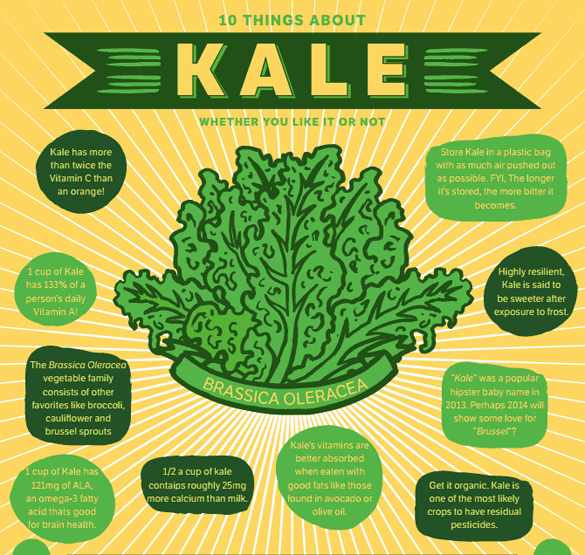
Focusing on increasing your iodine intake will help you supply your thyroid with what it needs, and this can offset the goitrogen effect from these foods. Now you can see why the main strategy to preventing a goiter from occurring due to eating raw foods, is to make sure you are getting enough iodine every day! So how should you do this?
The following Brassica, or cruciferous, vegetables contain isothiocyanates and when eaten RAW and in LARGE amounts, may interfere with your thyroid function, especially if your diet is low in iodine.
- Arugula
- Bok choy
- Broccoflower
- Broccoli
- Broccoli rabe
- Broccoli sprouts
- Brussels sprouts
- Cabbage
- Cauliflower
- Collard greens
- Kale
- Kohlrabi
- Mustard greens
- Napa Cabbage
- Radish
- Swiss chard
- Turnip
- Watercress
To be sure you’re getting enough iodine to counteract this effect, take a multi-mineral or, alternatively, increase your intake of foods rich in iodine (like iodized sea salt, seaweed, saltwater fish, and shellfish).
Sprinkling kelp, dulse or nori flakes on your food, or adding a strip of kombu when cooking soups, stews, beans, pasta, rice or quinoa will also provide iodine. Remove the kombu when finished cooking and the minerals will remain in the food.
You can also do a juice or food/juice cleanse for several days, and not worry about hurting your thyroid. The minerals and antioxidants in the foods and drinks will offset this, and you should continue to take a multi-mineral while you do this. After the cleanse, go back to your iodine-rich diet and enjoy raw foods. (But not every meal!)
Remember, we’re talking about LARGE amounts of RAW cruciferous vegetables! When you lightly steam these foods, the issue goes away. Isothiocyanates are very important for detoxification and elimination of carcinogens, therefore, we still recommend eating at least one cup of cruciferous vegetables daily, whether cooked or raw.